Cape Verde into World Cup knockouts: The lessons for small nations dreaming big
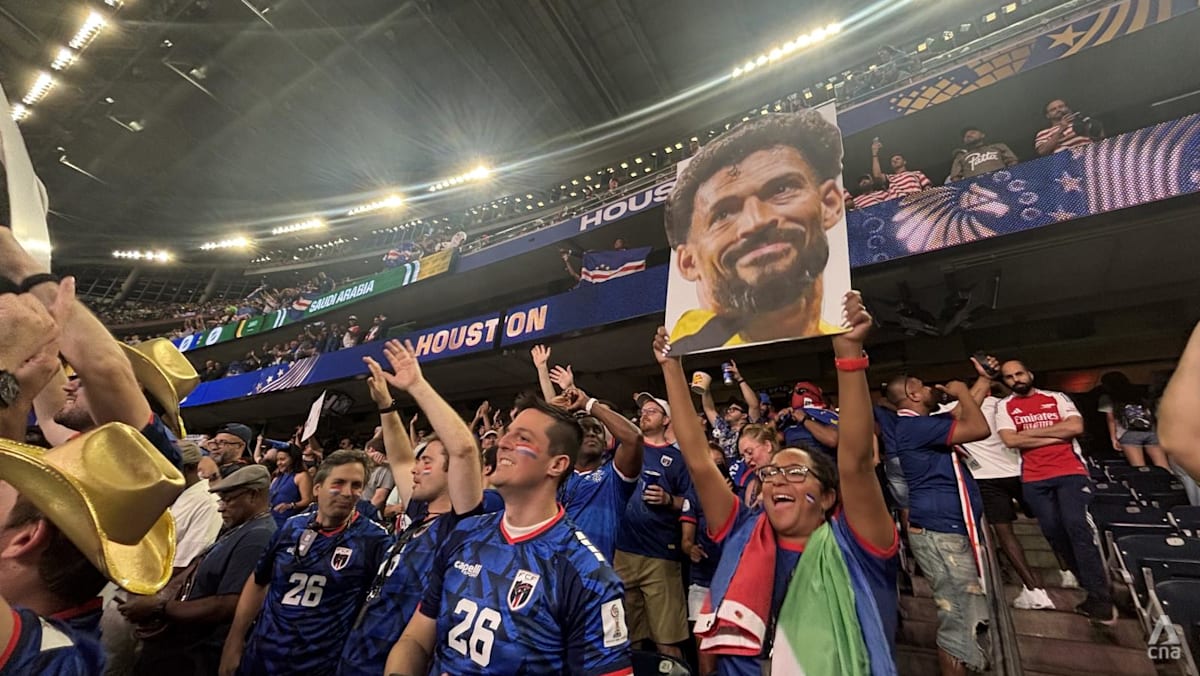
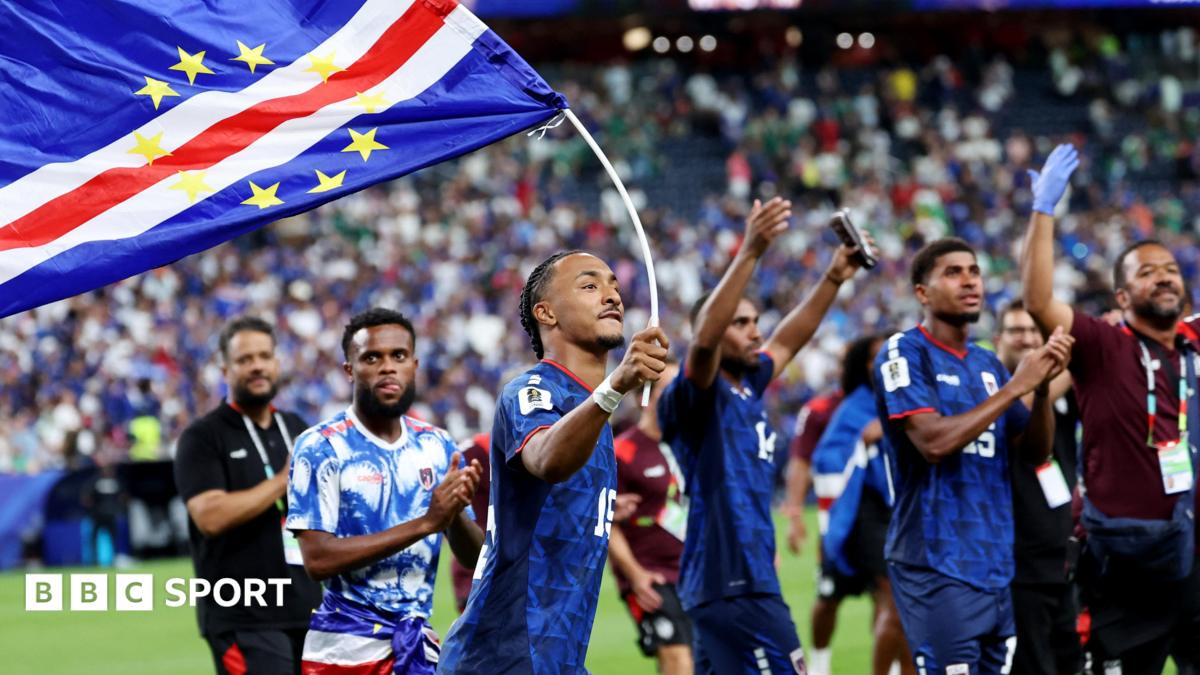
Speaking to CNA before Cape Verde's result on Friday, journalist Victor Hugo Fortes said the team has given "their heart and their blood" on the pitch."I'm surprised with the results but I knew they would do what they could to play a good game, and they have been unbelievable with how they are playing," said Mr Fortes, who has covered the team for more than a decade."As a Cape Verdean, all of Cape Verde are very proud of the team."Bubista's men were impressive en route to qualifying for their maiden World Cup. They finished top of their group ahead of Cameroon, losing just one of the 10 matches played.Cape Verde was the second-smallest country by land area and the third least-populated - with over 500,000 residents - to qualify for the World Cup."Cape Verde is a small country, it is a country where it is difficult to survive," said Mr Fortes. "We are a poor country but we have people who believe, people who work hard."Bubista added: "Football belongs to everyone, and is for everyone. It does not belong only to wealthy countries ... it is for the poor as well."I hope that our participation as a small and poor country can be a reference model for other poor and small countries like ourselves."An archipelago of islands off the western coast of West Africa, Cape Verde has a large diaspora community abroad.More than half the squad hail from Cape Verde's diasporic communities."We showed the resilience of Cape Verdean people, we showed the passion we have for our country, and we showed also that we are here to represent not just the players but all the Cape Verdeans all over the world," said Vozinha on Friday.Logan Costa from Spanish football club Villarreal, the only player competing in one of Europe's top five divisions, is one example. The centre-back was born in France to Cape Verdean parents.Another is their centre-back Roberto Lopes, who is also known as Pico, was born in Ireland to a Cape Verdean father.Pico was contacted by the Cape Verdean football association on LinkedIn and asked if he was interested in representing the country. He is a key part of the team at the World Cup."I know the federation has worked so hard to get a squad of talent available to try and qualify for these major tournaments," he said."When I first came on board, it was about (whether) we could get to the next AFCON. We managed to do that, and mix it with some of the best teams in Africa, and that sort of builds confidence."The next stop had to be the World Cup, we wanted to get a taste of that. We believed we could do it. Was it easy? No, but we never stopped believing."What has been key is the assimilation of these players into the squad, added Mr Fortes."They all speak Creole, they eat Cachupa, our (national) food. It's not just about football, it's about the country," he said."We've been through very hard times and difficult times, but have managed to keep our heads high. Keep our focus, keep standing, looking for our dreams," added Bubista."Have the dreams on the horizon, anyone can do it."The scenes on Friday were a result of many years of dreaming, said Ms Semedo."My father died at 92 years old, and he never got to see this happen. But I am witnessing this," she added."We are very little. If you look at the map, you can barely see Cape Verde, but now everybody knows Cape Verde."


Most Popular