
"Bermuda Triangle" complete with Rodri out: City face Manchester United's terrifying scenario

In a single evening, and after a heavy defeat to Arsenal in the Community Shield, the Etihad Stadium looked as if it were silently bidding farewell to its golden age. That 0-3 loss was no passing result in a friendly-natured match. It was the first clear sign that the project built over more than a decade has begun to crack at its very roots.Manchester City's director of football, Txiki Begiristain, has gone. So too, in time, will the brilliant Spanish coach Pep Guardiola, with Rodri's farewell also looming. The sky blues are turning from an unbeatable machine of dominance into a side searching for a new identity on unfamiliar ground.One decisive question now echoes through the corridors of English football: can the Citizens avoid the fate their rivals Manchester United suffered after Sir Alex Ferguson departed? Or will the loss of three pillars all at once force them to start almost from scratch, under the pressure of results and rising expectations? The answer is no longer theoretical. It has begun to take shape on the pitch.Whoever takes charge of City after the champions who built the golden era, the players, the management and the coaching staff, faces an enormous challenge. Enzo Maresca, who succeeded Pep Guardiola, realised that quickly.Here is a capable coach who won titles with Leicester City and Chelsea, yet he ran into the wall of Arsenal in his first official test. City came away with a resounding defeat and a feeling that the difficult days have truly begun at the Etihad Stadium.The ownership has stayed stable, and Ferran Soriano remains in his post as the financial and operational mastermind. Yet in less than a year Manchester City have lost the first pillar that turned them into a legendary club. Txiki Begiristain, the finest sporting director of the modern era, quietly decided to step down more than a year ago.Begiristain guided the transition and advised his successor Hugo Viana through the first months, but time has laid bare the difference. He brought in Haaland for 60 million and Rodri for 70 million, building an expensive squad that he offset with clever sales. Viana has already blown past 130 million on just two deals this summer.This shift in buying approach is no administrative footnote. It signals that the long-term vision that made City has started to change, exactly as Manchester United found after Sir Alex Ferguson walked away.Guardiola is the second pillar to fall from City's system. His tactical genius and his knack for repeated success came with something rarer still: absolute influence within the club.Pep was "untouchable", whether he won or lost, a status no other manager, including Maresca, can attain.That gap between a man who knows he is immortal and the rest of the managers shows up directly in results and performance. When Guardiola leaves, the style goes with him. So does the certainty and the psychological grip he held over rivals for years.The void looks a lot like the one Manchester United fell into after Ferguson. One managerial experiment followed another, and the club spent many long years chasing its former prestige.The third and most dangerous pillar, Rodri, is on the verge of leaving the club. Few midfielders can drag an entire team from one level to another. With Rodri, City were champions. Without him, they were a completely different side.His previous spell on the sidelines exposed a clear fragility in midfield, laying bare just how much the team lacked the balance and discipline their Spanish captain provided. His imminent departure looks like a harsh blow, and one that will be difficult to compensate for in the short term.Football history is littered with clubs that lost their pivotal man and watched their levels collapse. City are unlikely to prove the exception.The answer is not simple. City still boast vast financial resources, modern infrastructure and stable ownership. Yet the loss of the three minds who built the project has plunged the team into a genuine phase of rebuilding.Maresca must forge a new identity while the pressure for immediate results bears down, a challenge he has never faced at a club of City's size. The defeat to Arsenal in the Community Shield settles nothing. It did, however, expose a lack of the balance and solidity that defined the team in recent years.Should the disappointing results roll on into the start of the season, the club could find themselves forced into an almost complete rebuild. Exactly what happened to United once the Ferguson era ended.What Manchester United endured after 2013 stands as a harsh lesson for any club that loses its core pillars all at once. Years of administrative, coaching and spending turmoil followed, with no real return to show for it. City have a chance to dodge that fate, thanks to ownership continuity and careful financial planning.Yet the first sign came yesterday, and the fear of repeating that experience is now legitimate. Success built on the foundation of Txiki, Pep and Rodri may never be replicated with the same force.These coming months will decide whether Manchester City can navigate this phase with the fewest possible losses, or whether they enter a long rebuilding tunnel like the one their eternal rivals lived through for years.


Most Popular

.jpg)

_2026_08_17_11_31_22.jpg)


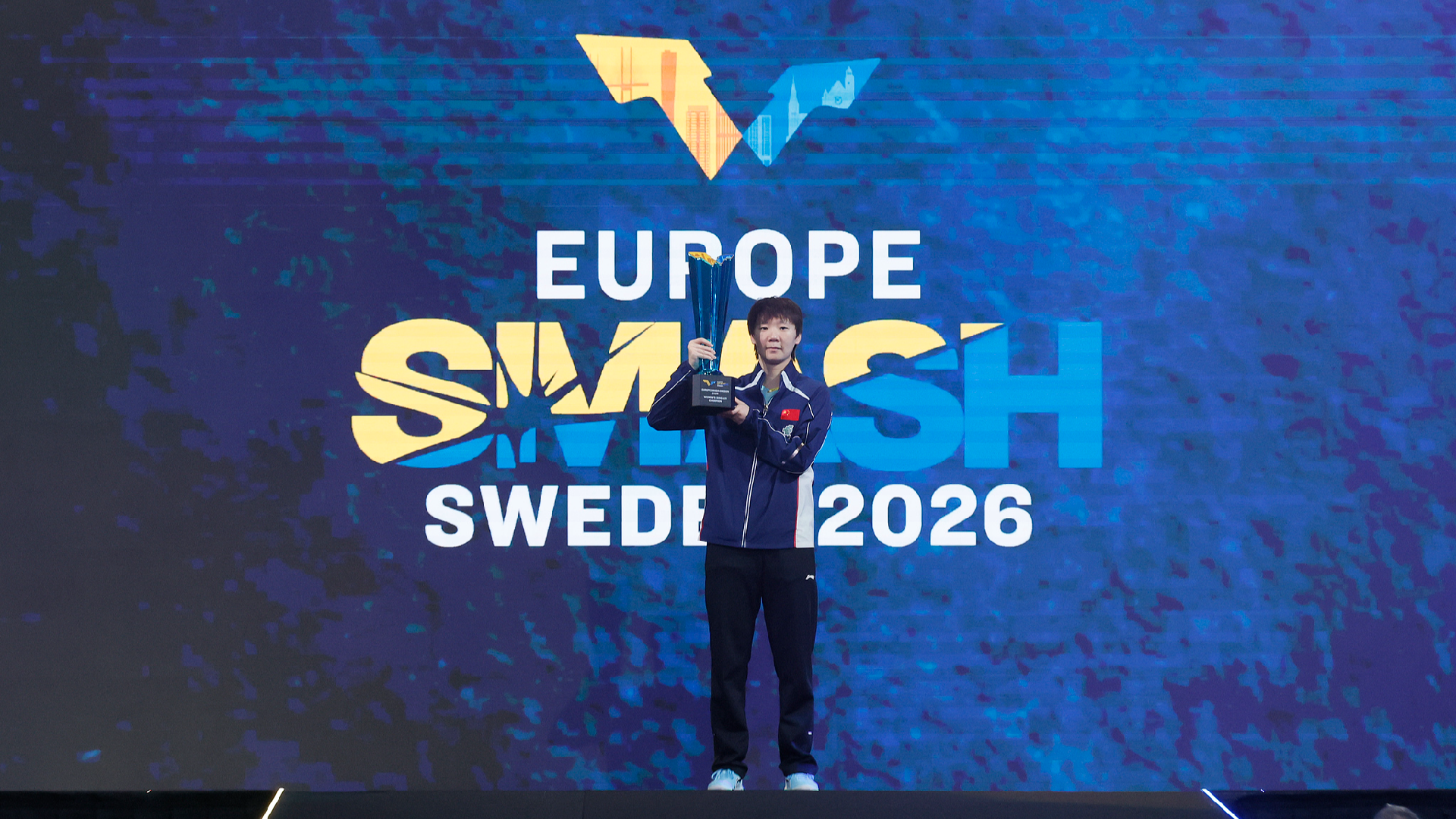
Wang Manyu wins third Grand Smash title in Malmo
2 hours ago