Women athletes are helping Niva Bupa build trust in health insurance, says CMO

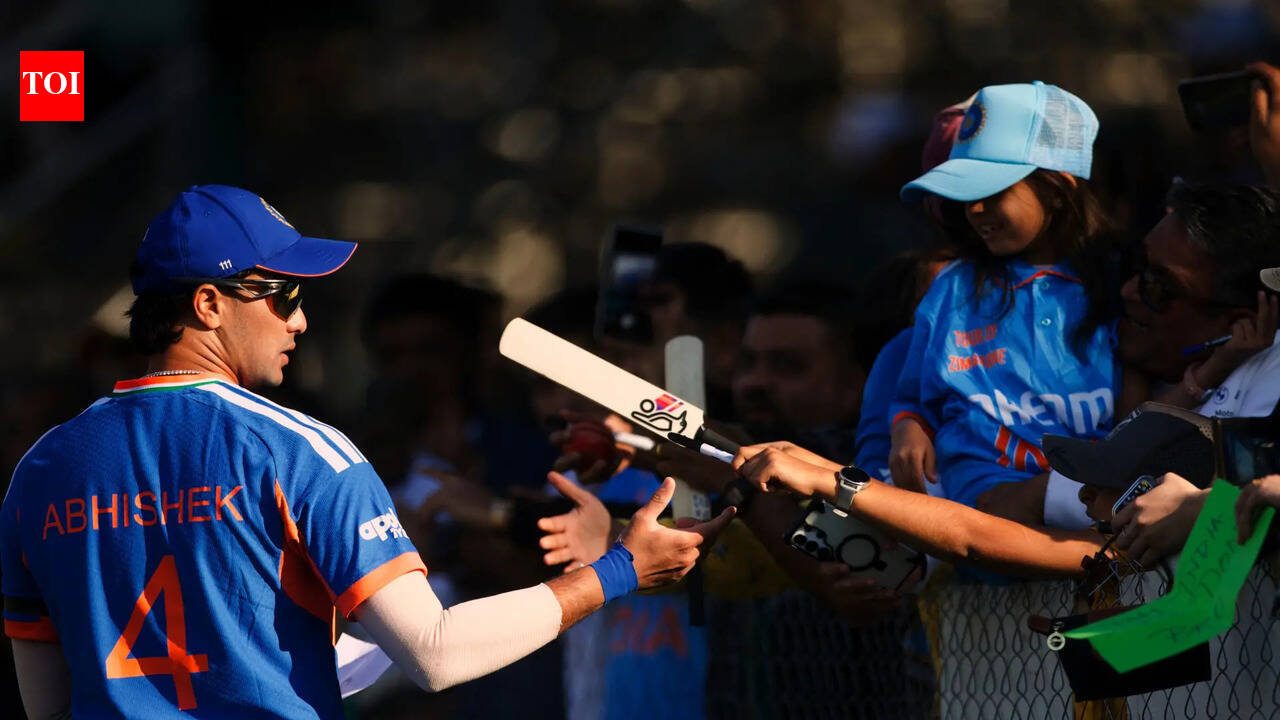
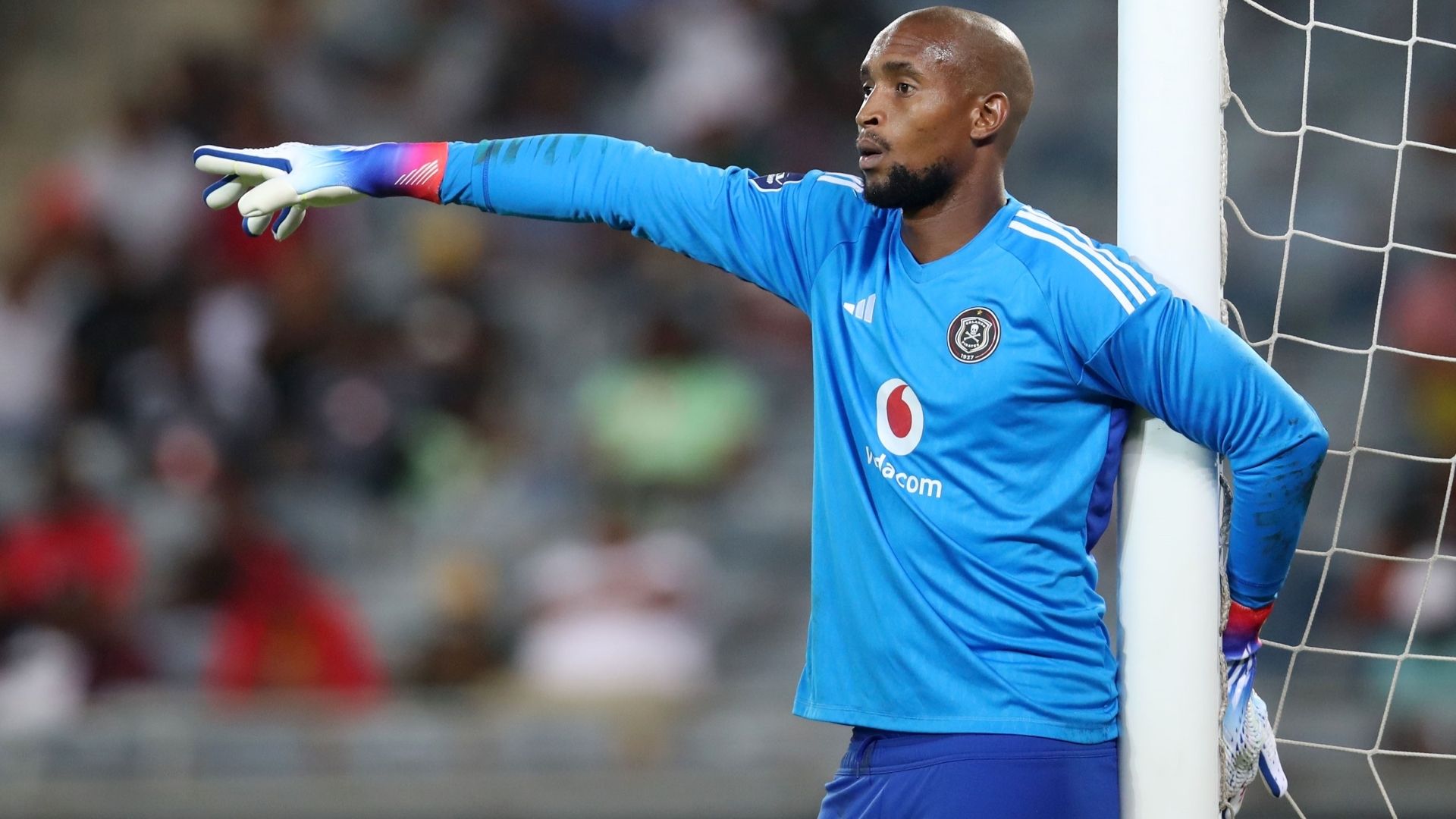
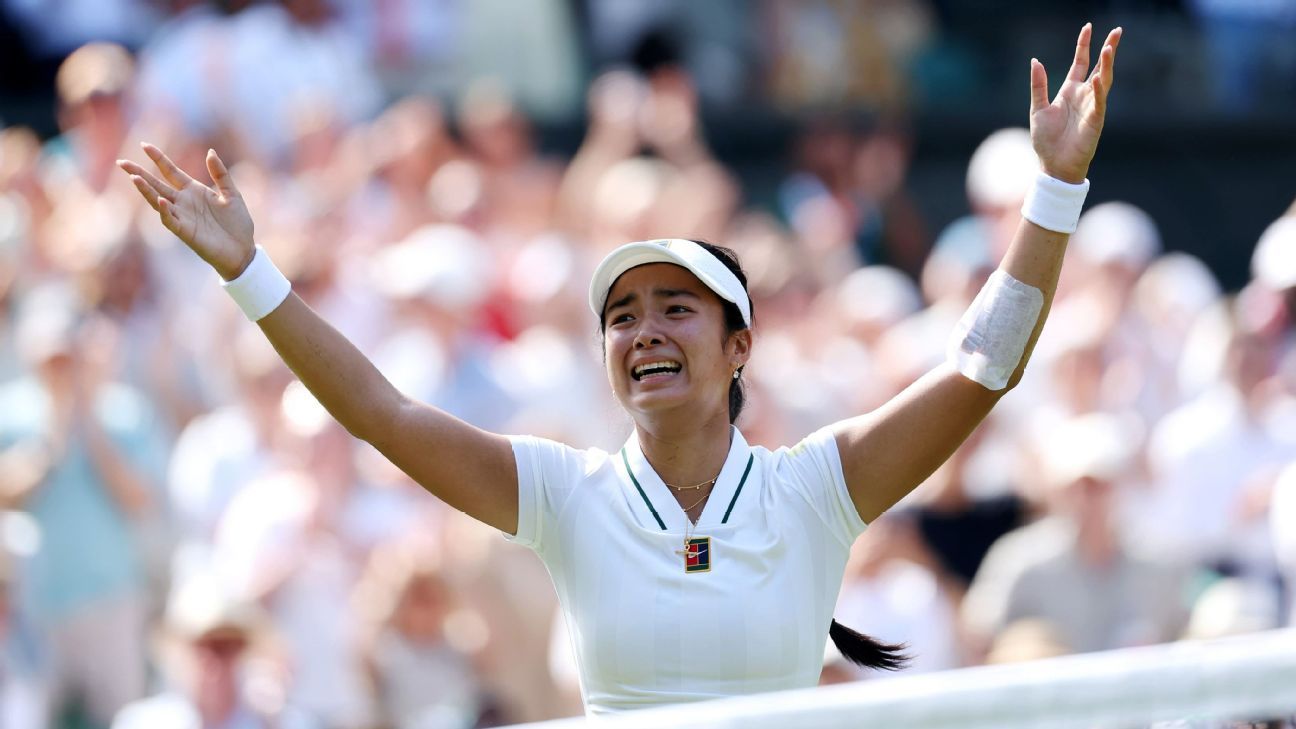
The first question to ask ourselves is: what stories does the brand want to tell? The story of a comeback from an athlete’s standpoint has not been told enough. People talk of medals, honours and the path to success. Cricketers get spotted very well and there is a reasonable amount of money in that sport. But this is not true for the Commonwealth Games. Athletes come from very different backgrounds and they are talked about a lot when they are first spotted, but not over a long period of time.We chose the stories of Saina and Mirabai because both have gone through a health setback and made a comeback. But the journey of that setback to comeback hasn’t been talked about. This journey is what we cover as a health insurance company. [Our pitch is that] a lot of people can’t make [their own] comeback because most don’t have health insurance.Your campaign centres around women stars in Indian athletics and sports. Do you think women are finally commanding the same pull as male sports stars in India?It is still early and there is a lot of ground to be covered, unfortunately. We have the women’s IPL happening and the good thing is that the conversation [around women’s sports] has started. Advertisers want to put more money in women’s sports.But this is my personal view. As a brand, we don’t do gender as a pivot; we focus on the story to be told. We want to be remembered as a brand that is authentic and is telling a story that needs to be told, not as the 50th brand sponsoring cricket.Youngsters are choosing brands that are authentic, and we want to be a brand for the long term. Since transitioning from Max Bupa to Niva Bupa over the past five years, we have consciously focused on giving women more than their fair share of representation.But aren’t financial decisions in India, including health insurance, still largely driven by men?We have this impression that men understand finance more than women, but if you see, women are increasingly becoming the decision makers in health insurance. There’s a larger positive trend for individual policies that women buy versus that men buy. Women ownership of policies is growing at a faster clip than men, but unfortunately the base is small. Health insurance has now become a family decision versus a man’s decision.How do you gauge the effectiveness of a sponsorship campaign like this one? Can you benchmark it to cricket?We are two different people when we produce and when we measure. When we measure, we have three buckets of KPIs (key performance indicators). First, there is brand health, including spontaneous mentions. The second bucket is the engagement rate of the stimuli we are putting out, including view-through rates and click-through rates. And the third is the business metric: for example, is this driving traffic to my website? Are people leaving intent to be contacted, looking through our products and services, and what is the conversion rate?I have not done the Commonwealth Games before, so I don’t know [how it can be compared to cricket]. But the memory structure holds when the story told is good. However, in cricket, there are a lot of ads squeezed into a small ad space and there is no recall without high frequency.We did spend 35-40% of our annual budget in the past three to four years on sports, including cricket. The media landscape has become very fragmented so the premium is not for the property itself but for getting the viewership together in a consolidated space. The Commonwealth Games brings 200 million people over a 70-80 day period. We are spending 20-25% of our annual marketing budget on this for about a three-and-a-half-week campaign.Health insurance, as a category, still struggles with earning trust. Is that changing?The trust deficit is spoken about in health insurance, but trust is an outcome. We don’t drive trust. Our conversation is about being authentic, making insurance very simple to understand, with a fun and “slice of life” tonality as opposed to the anxieties and vulnerabilities of life. One of the pillars of the conversation is claims, and the more transparent we are on why claims get rejected, the more open we are to showcasing the reason, the more trust we earn. This category [of financial services] is very emotional and anxious.

Most Popular