Wales' padel boom and why it's here to stay
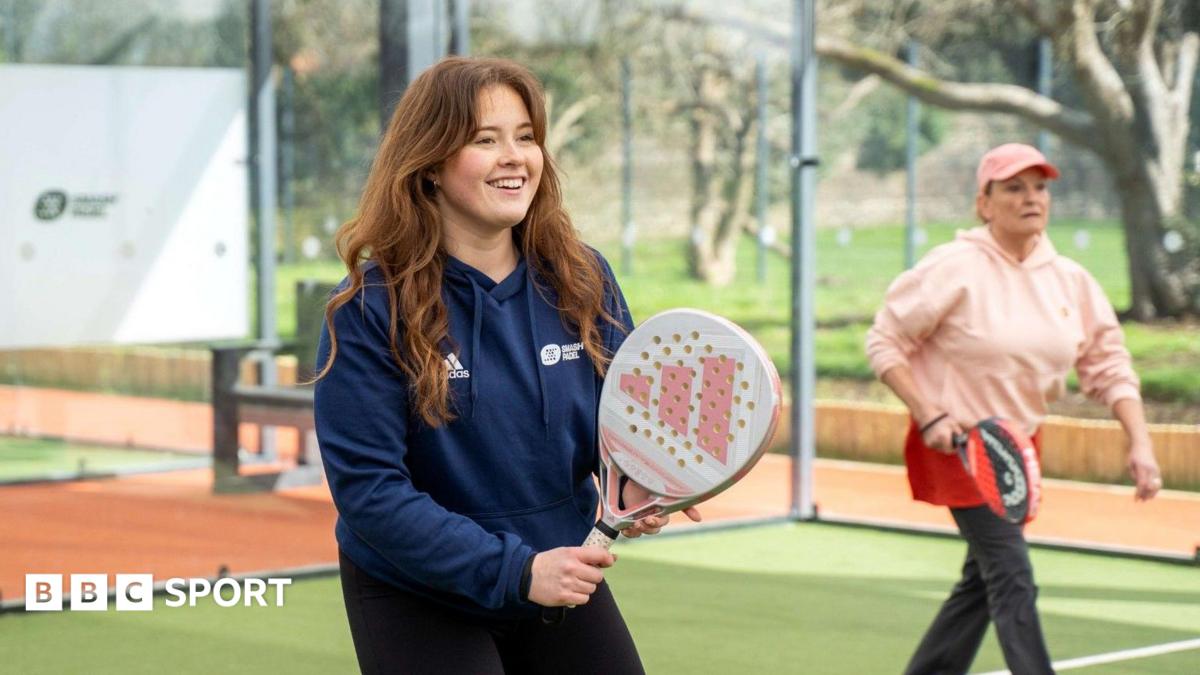
Padel - a sport that is a little bit like tennis and a little bit like squash.It is played by people who do not mind forking out up to £80 an hour for a court and it is frustratingly hard to master.So, why is it among the fastest growing sports not only in Wales, but also in Europe? What makes it so addictive?BBC Sport Wales has been out in the padel community to find out, but first let's take a look at some of the facts and figures.Wales currently has 58 registered padel courts across 16 venues, up from 14 courts at the end of 2024Windsor Lawn Tennis Club in Penarth opened Wales' first padel court in 2021A dedicated Welsh Padel Centre opened in Cwmbran in 2022 and hosted the inaugural Welsh Padel Open the following yearTennis Wales (the governing body for tennis and padel) estimates there are between 12,000-14,000 annual players across Wales, up from 4,500 in 2024In the space of five years, Wales has gone from having no courts to having a thriving padel network.Courts are popping up all over the country - from Anglesey to Narberth, Cardiff to Caernarfon - with plenty more in the pipeline.And the sport's appeal is simple: it can be played by all ages, all abilities and, above all, it is fun."The boom is being seen everywhere," said Tennis Wales chief executive Simon Johnson."It's a very accessible sport, it's all doubles, it's very sociable, it's easy to pick up and start at any age and any ability, I think that's what's attracted people."The media have picked up on it, people are telling their friends, it's got a cool edge to it at the moment."Smash Padel opened in Llandaff Fields in Cardiff last September and has six canopy covered courts, ideal for the unpredictable Welsh weather."If you're trying to encourage people to pick up a habit, knowing that they're going to get a game makes a big difference," said Smash Padel's chief executive Rupert Taylor."If you're going to commit your Tuesday night to a sport, it's really helpful to know that you actually get to play because you're not going to get rained on."As well as the social scene, Wales is now beginning to attract major competitions.Smash Padel hosted Britain's biggest FIP Promises junior tournament to date last month, featuring some of Europe's best players."There's players from Germany, Belgium, Holland and Spain, it's really exciting," said Taylor."Before the padel bug hit the UK and Wales, they'd have been surprised to hear they'd be spending a weekend in June playing padel in Cardiff, but here we are."And from 17-19 July, Swansea-based Jaxx Padel will host Wales' first standalone National Padel Championships.Wales is also starting to produce exciting new talent."We've got some of the top players in Britain based in Cardiff, we're developing a pipeline and a pathway with some great venues," said Johnson."There are multiple teams in padel venues across the country, developing coaching programmes, creating leagues, tournaments and competitions and we expect that to grow."With transferable skills, padel has naturally appealed to tennis players and many have made the switch.Alex Oelmann from Cardiff has represented Wales in both tennis and padel.She took up padel in 2024 and is now on a mission, along with partner Molly Walsh, to break into the top 20 in the British rankings.Oelmann said: "We started out just playing together as friends, but then we played some matches for Wales and thought 'why not give it a go?'"We're travelling around the country trying to get as many LTA ranking points as possible and compete with the top level ladies players."Being around the highest level of padel is great. We're top 40 now, we're getting closer each tournament we play, we'll keep going and hopefully by the end of the year we might get there [top 20]."Padel is fun, but it does come at a cost.As an example, Padium in Cardiff Bay offers world-class facilities, but has an hourly flat rate of £80 per court, more than most monthly gym memberships.At the other end of the scale, Ranch Padel in Narberth offers courts for £20 during off-peak hours.High prices mean that some players have to ration their court time, while others simply cannot afford it.Taylor is confident there will be a drop when more courts become available."At the moment there's a shortage so it's not surprising that prices are reasonably high, but they are absolutely going to normalise," he said."We think that's still quite a long way away. Broadly court growth is growing by about 50%-100% year on year, we think it could carry on doing that for three or four years before you get anything close to saturation."In the meantime, Tennis Wales has announced funding for padel through its Tiebreak Fund, with initiatives this year targeted at helping people with disabilities and encouraging more women and girls to get involved.It would seem the padel boom is here to stay in Wales and beyond.So what next for the sport? Could we see it played on the ultimate stage of all?Padel becoming an Olympic sport is already a conversation, it has been officially recognised by the International Olympic Committee (IOC).We will not see it at the 2028 Games in Los Angeles - sports must be approved seven years ahead of time - but it is gaining a lot of traction to be included at the 2032 Games in Brisbane."We‘re very much seeing it becoming one, the question is when," said Taylor."It's definitely a sport and a really fun sport and one lots of people can get involved in. It seems to me that it fulfils all the characteristics of it being an Olympic sport."


Most Popular

Star Cat to undergo surgery
5 hours ago