From IPL power to Olympic dreams - Graeme Smith maps cricket’s global future
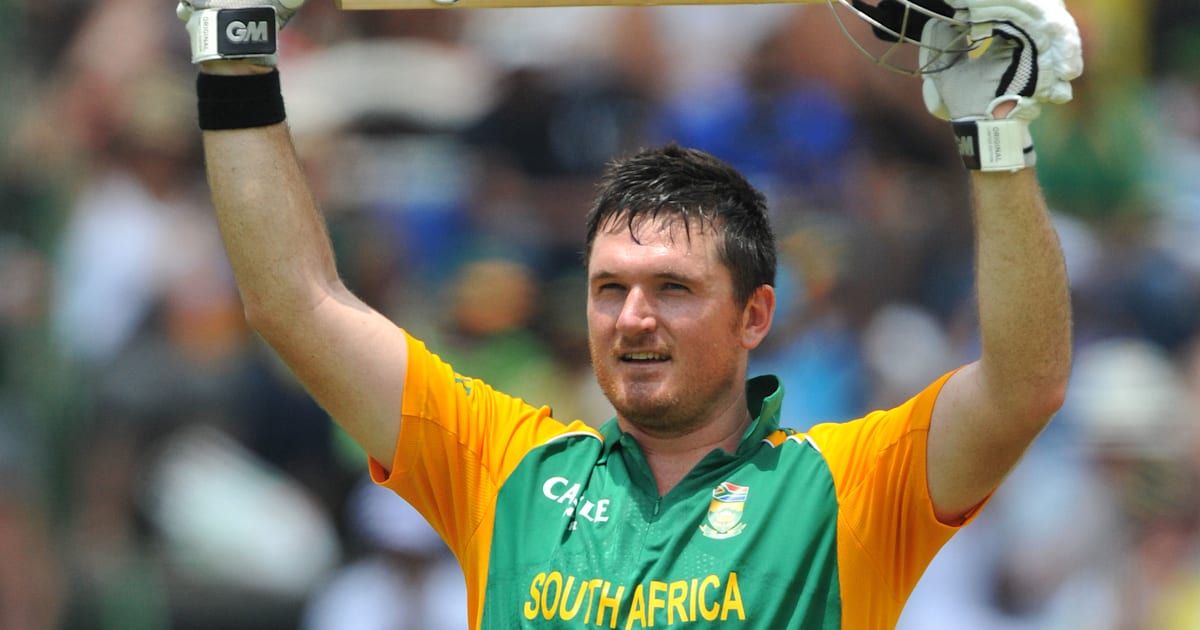
As one of the most respected voices in world cricket, Graeme Smith - a former South African team captain - continues to influence conversations about the sport’s rapidly evolving landscape.Smith, who now serves as commissioner of the SA20 - South Africa’s top domestic T20 franchise league, has had a front-row view of cricket’s evolution - from the demands and discipline of traditional Test cricket to the spectacle and commercial rise of modern franchise leagues.Speaking to Olympics.com, Graeme Smith reflected on the growing influence of franchise cricket and the new opportunities emerging after cricket was confirmed as part of the LA 2028 Olympics.Discussing the extraordinary growth of franchise cricket, Graeme Smith emphasised that the Indian Premier League has been at the heart of the sport’s modern transformation.“The IPL changed everything,” Smith explained. “It showed how big franchise cricket could become commercially, in terms of fan engagement, and also in the quality of cricket being played. Every new league that has emerged since then has learned something from the IPL model.”Since its launch in 2008, the IPL has redefined how cricket is packaged and consumed globally. From its star-studded auctions and packed stadiums to its global broadcast reach, the league has set the benchmark for modern cricket tournaments.According to Graeme Smith, the IPL’s influence stretches far beyond India. Leagues around the world - from South Africa to England and Australia - have drawn inspiration from the tournament’s structure and commercial success.“Leagues around the world have taken inspiration from the IPL,” Smith said. “Whether it’s the structure, the player auction system, or the way the tournament connects with fans, it has become the template for modern franchise cricket.”For Smith, who retired from international cricket in 2014, the rapid rise of franchise tournaments was always inevitable.With global television audiences expanding and private investment pouring into the sport, the shift towards shorter formats has accelerated significantly over the last decade.“It’s always difficult to predict exactly how things will unfold,” he observed. “But if you look at the direction cricket is heading, the game will probably settle with four or five tier-one leagues globally, each occupying its own window in the international calendar.”Within that ecosystem, Graeme Smith believes the IPL will continue to occupy the most influential position.“The IPL sits at the top of the pyramid. It attracts the best players in the world and generates enormous interest. Other leagues can thrive as well, but the calendar will have to be structured carefully so that these competitions complement each other.”Smith also believes the continued expansion of franchise cricket could eventually lead to an entirely new global competition involving the best teams from different leagues.“You could easily see a Club World Cup-type tournament emerging,” Smith noted. “Imagine the champions of the IPL, SA20, Australia’s Big Bash and other major leagues competing against each other.”Such a tournament, Graeme Smith believes, would create a new spectacle for fans and further elevate the global appeal of T20 cricket.“With private franchise ownership now involved across several leagues, the idea has real potential. There’s obviously a lot of work to do before something like that becomes reality, but the foundations are already there. Franchise cricket has created a completely new ecosystem.”Olympics return marks a new era for cricketWhile franchise leagues continue to dominate the cricketing landscape, Smith believes another historic milestone could reshape the sport’s global reach: cricket’s return to the Olympics.“For many years, the Olympics simply weren’t part of cricket’s world,” Smith explained. “Players grew up dreaming of World Cups or playing in the IPL, but not necessarily about Olympic medals.”“You look at athletes like Novak Djokovic and how emotional winning an Olympic gold medal was for him. Even in sports that already have huge tournaments, the Olympics still hold a very special place.”Although the Olympic cricket competition in Los Angeles will begin on a relatively modest scale, Smith believes its long-term impact could be transformative.“For a young cricketer today, the chance to win an Olympic gold medal adds a completely new dimension to the game,” he said. “It’s another dream for the next generation to chase.”Cricket will make its long-awaited Olympic return at the LA 2028 Olympics, with matches scheduled from July 12 and 29.The sport, which last featured at the Paris 1900 Olympics, will be played in the T20 format for both men and women. Six teams will compete in each category, with squads of up to 15 players.All games will take place at a purpose-built venue at Fairplex in Pomona, about 50 km from the city of Los Angeles.


Most Popular