Rajat Patidar: out of the box, into the middle-overs stratosphere

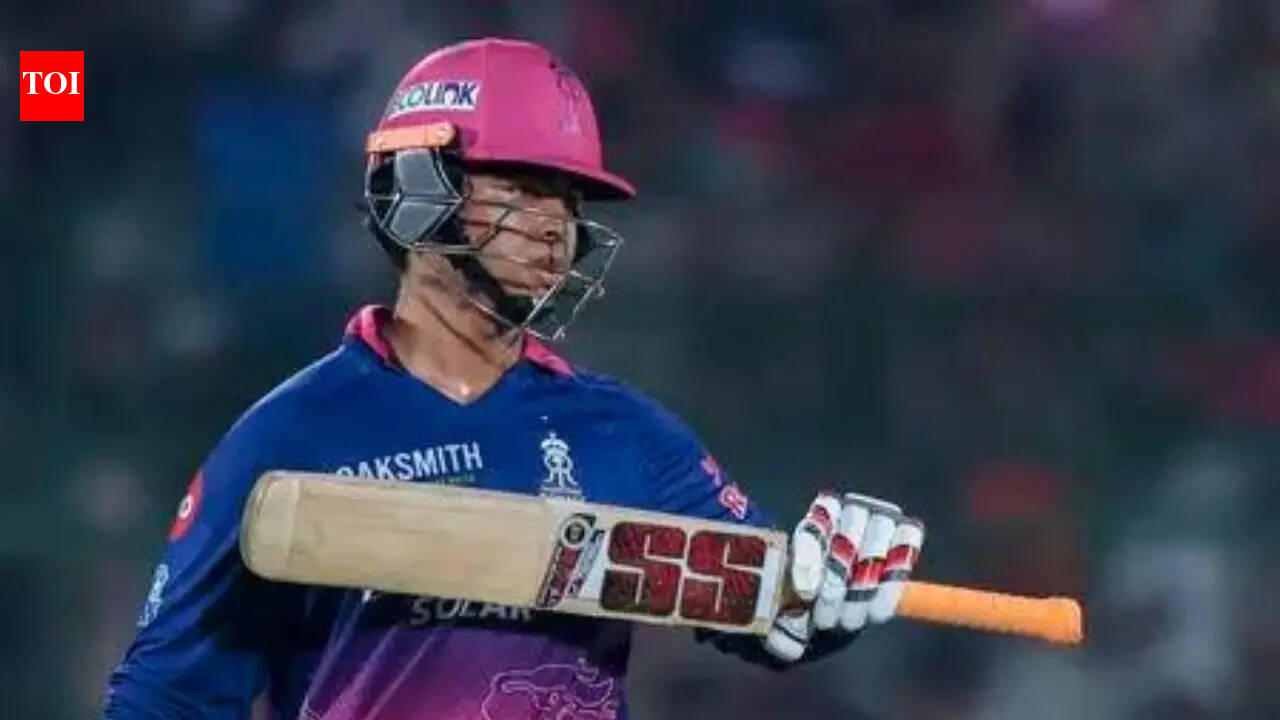
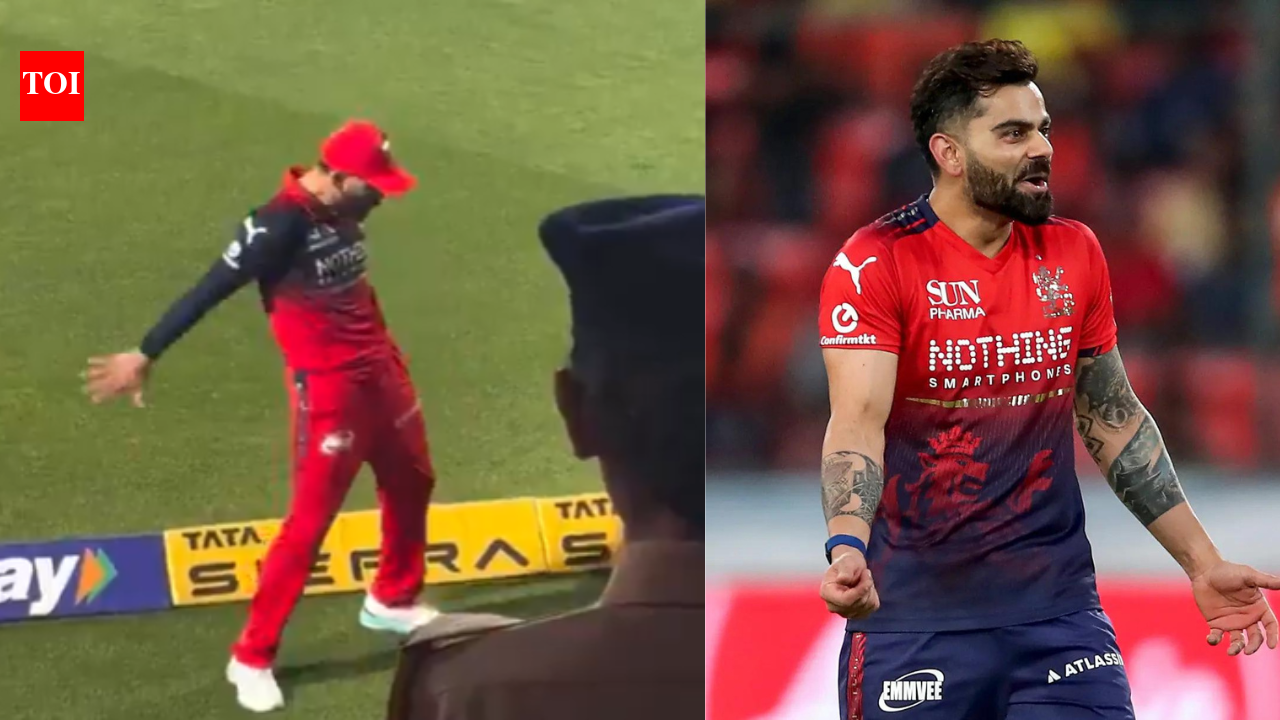
There was honesty in it, but also a quiet irritation. As if he had grown tired of hearing people box him into one identity. Through IPL 2026, he has returned to that point more than once during conversations with broadcasters. And even RCB's Director of Cricket Mo Bobat acknowledged that Patidar may have been proving a point to him for being labelled a "spin basher."The first Qualifier against Gujarat Titans probably settled the argument for good. His unbeaten 33-ball 93 wasn't simply one of the great all-time knocks in IPL playoffs history, where everything flies off the middle. It felt personal, like he was batting against an idea as much as an opposition attack.Gujarat had pace everywhere: Kagiso Rabada in perhaps his best IPL rhythm. Mohammed Siraj nibbling away in the Powerplays. Prasidh Krishna and Jason Holder's hitting heavy lengths and creating awkward bounce. This is the kind of pace attack that asks difficult questions even in batting-friendly conditions. Dharamsala was friendly even if a touch two-paced, with the thin mountain air launching air-borne shots an extra mile. But none of that explains what Patidar did to Rabada in the 17th over.The South African produced a pacy, good length delivery outside off. Most batters would punch it through cover. Patidar barely moved. He leaned back, transferring his weight to the backfoot, opened his hips, and lifted it over covers for six.The ease of it was almost offensive. Virat Kohli, animated for most boundaries on this big night, looked momentarily stunned as his hand reached for his mouth to block out the adjective on its way. That shot mattered because it carried no anxiety. It was not a release shot, nor a fortunate one. Just a batter completely at home with what he was doing, arching back on his toes to play a shot like that.The irony is that Gujarat's entire plan was built on the assumption he wasn't going to be ready for this. The moment Patidar walked in during the ninth over, Rashid Khan disappeared from the attack, despite conceding only eight runs in two overs. Shubman Gill didn't want to make the mistake Hardik Pandya did at the Wankhede Stadium earlier in the season by bowling Mayank Markande at Patidar. They were proved right when Patidar took down Rashid at the death. They also wanted Rashid to attack Tim David in that back quarter when the Australian expected and preferred pace.Gujarat wanted hard lengths at the RCB captain. They had done their homework in Ahmedabad earlier in the season, when Rabada had rushed him with the short ball before Arshad Khan bounced him out, and teams had followed that template ever since. In Raipur, Kartik Tyagi even struck Patidar on the helmet, the concussion that kept him out of RCB's previous match in Dharamsala, of all places.For a while, it looked like the plan would hold again. A leading edge off Prasidh Krishna early on. Then a drop at deep square leg by Rabada on 20 off 12. But after that, Gujarat's evening unravelled. The next 19 balls went for 71 runs. Patidar pulled in front of square, opened his hips and drilled full balls towards the sightscreen, opened his bat face and carved a six over point - each six arriving faster than the Titans could regroup. Hard lengths that had caused him problems earlier in the season were suddenly sitting up to be hit.In some ways, it felt more compelling than the hundred against Lucknow in the 2022 Eliminator, the innings that first made him a national story. That night had surprise on its side. This one, in a playoff as the captain of the defending champions, carried expectation, and he met it anyway.What has made this season different is what the RCB captain has done in the middle overs, the phase where modern T20 innings typically find their ceiling. Patidar has treated it as his floor. His strike-rate in overs 7 to 15 this season is 203.97, ahead of every other batter. KL Rahul, among those who've faced at least 100 balls in that phase, is next at 189.33 while Ishan Kishan rounds out the podium at 181.95.The pace numbers tell the real story of his evolution. In each of the previous two seasons, Patidar struck at 157 and 142 against pace through the middle overs. This year: 192.55. It's fascinating because middle-over bowling is the most analysed, most adjusted part of a T20 game. Teams and bowlers find patterns and can identify ways to maneuver or exploit them. If you are a spin hitter, teams will bowl pace at you. If you like pace, teams will bowl spin.Which is perhaps why Patidar now occupies a rarefied air. His 2026 season in the middle overs is bettered only by Nicholas Pooran's 2025, and by one strike-rate point (205.59). For the record, Shane Watson in 2018, Chris Gayle in 2011, Glenn Maxwell in 2014, Suryakumar Yadav in 2023 and AB de Villiers in 2015 struck slower, even with the caveat that the Impact Player rule lengthens batting line-ups.Patidar now occupies a different place in RCB's story too, not simply because he has led them to consecutive finals, but because of what he represents in a longer lineage. For years, the franchise's batting identity was Kohli, with Rahul Dravid quietly sitting behind him as the second-best Indian batter in RCB's history despite not playing for the franchise since 2010. That gap went unfilled for a long time. Patidar is beginning to fill it with seasons built on owning the middle overs, and now an innings in Dharamsala where one of the tournament's best attacks kept probing for a weakness and kept finding the rope instead.


Most Popular