Michael Carrick explains why he hasn't told Kobbie Mainoo to work on his flaws following Man Utd exile under Ruben Amorim
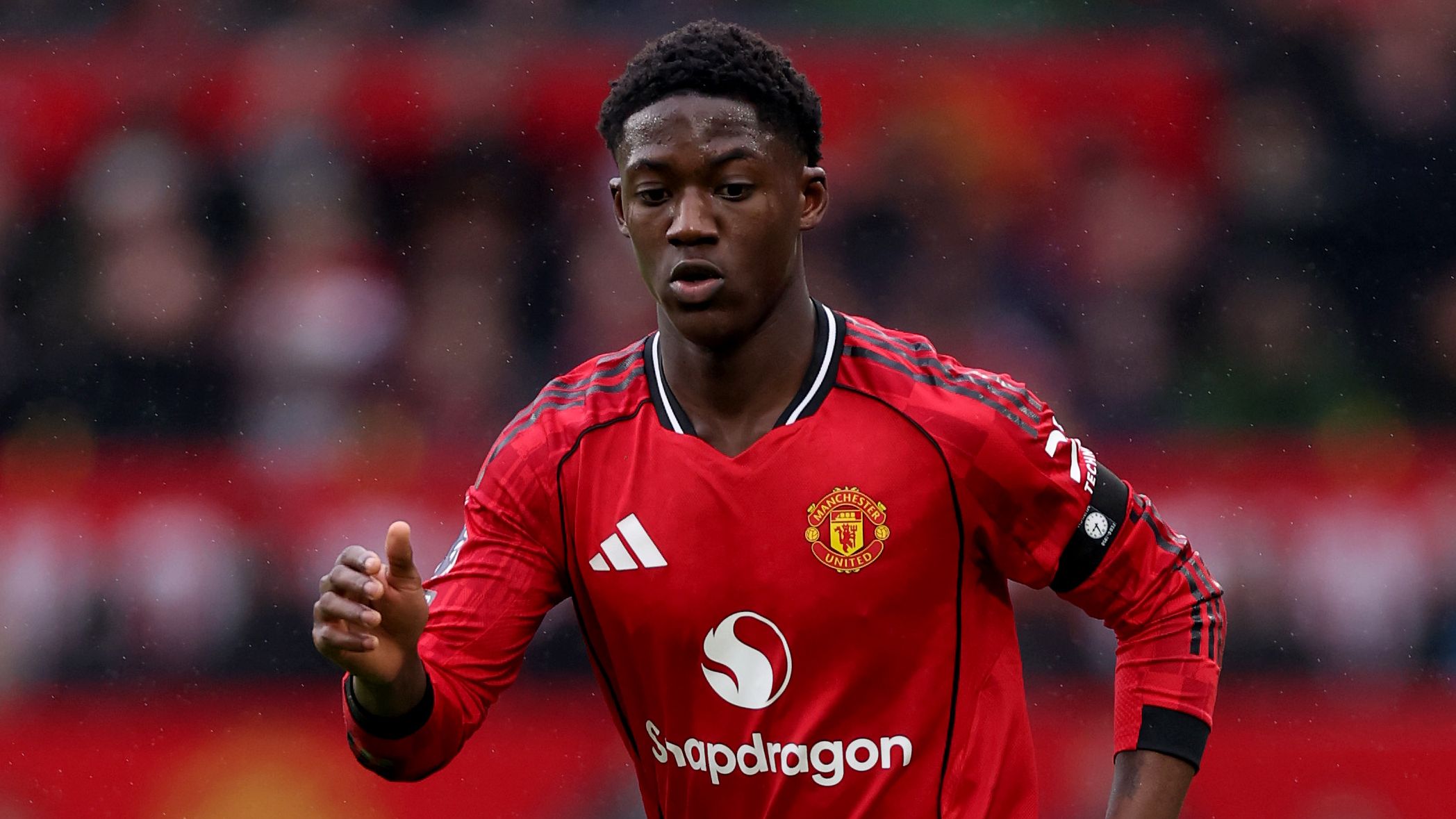
The 20-year-old midfielder has undergone a dramatic transformation in fortunes since Carrick took the interim reins at Old Trafford. Under the previous regime of Amorim, Mainoo had been frozen out of the first-team picture, leading to reports that the academy graduate had even informed club officials of his desire to leave in search of regular football.However, the change in management has brought the England international straight back into the fold. Since his return, Mainoo has become a mainstay in a team currently enjoying a five-game unbeaten run in the Premier League, registering two assists. He has immediately provided the technical security and composure that were sorely lacking during the final few weeks of the Amorim era and United are already eager to give him a new contract.Carrick, who has a long-standing relationship with the player, insists that bringing the midfielder back into the team wasn't a "big decision." He prioritised the player's psychological recovery, choosing to allow the Carrington graduate to play freely rather than burden him with tactical criticism after a period of professional stagnation.The bond between the interim manager and the young star stretches back nearly a decade, giving Carrick a unique perspective on Mainoo’s development. This deep-rooted familiarity ensured there was no hesitation when rebuilding the United midfield, as Carrick chose to rely on his historical knowledge of the player's high-pressure temperament rather than recent benchings.By relying on players he trusted deeply, the former United captain managed to stabilize a dressing room previously divided by tactical rigidity and the exclusion of key players. The results were immediately apparent on the pitch, with Mainoo's composure helping steer the club towards a significant revival in form and league position.While the midfielder is not yet the finished article, Carrick is purposefully holding back on lecturing the youngster. The manager believes that after such a taxing mental period, the best coaching intervention is often no intervention at all, allowing a "huge talent" the space to breathe and find his natural flow without the fear of immediate replacement."I've known Kobbie a long time. I started working with him when I think he was 13 or 14, when I was starting to do my coaching badges - a good few years ago," he told BBC Sport. "Just little bits. And then, obviously, when I was here the first time, he was in and around a little bit."So I think knowing him and having experience with him and seeing him perform at such a level on such big occasions... I said earlier about coaches being able to cope with being here and at the level to deal with it. What Kobbie's done at such a young age is quite incredible really."We forget how young he still is. I was just a big fan of watching him play and knowing what he was capable of. So it wasn't really a big decision to play him. And, to be fair, it's not easy when you haven't played to find your rhythm and find your form. There are things he can get better at, things he can improve on, but we haven't really got started on any of that because we're just letting him go and find his flow.""I've been really conscious of not giving him an awful lot—a couple of little pointers, a bit of positional things and some little bits here and there - but trust in what he is. He's a fantastic footballer and he's got a huge talent."


Most Popular