When sporting bodies have to hand over the keys to stadiums
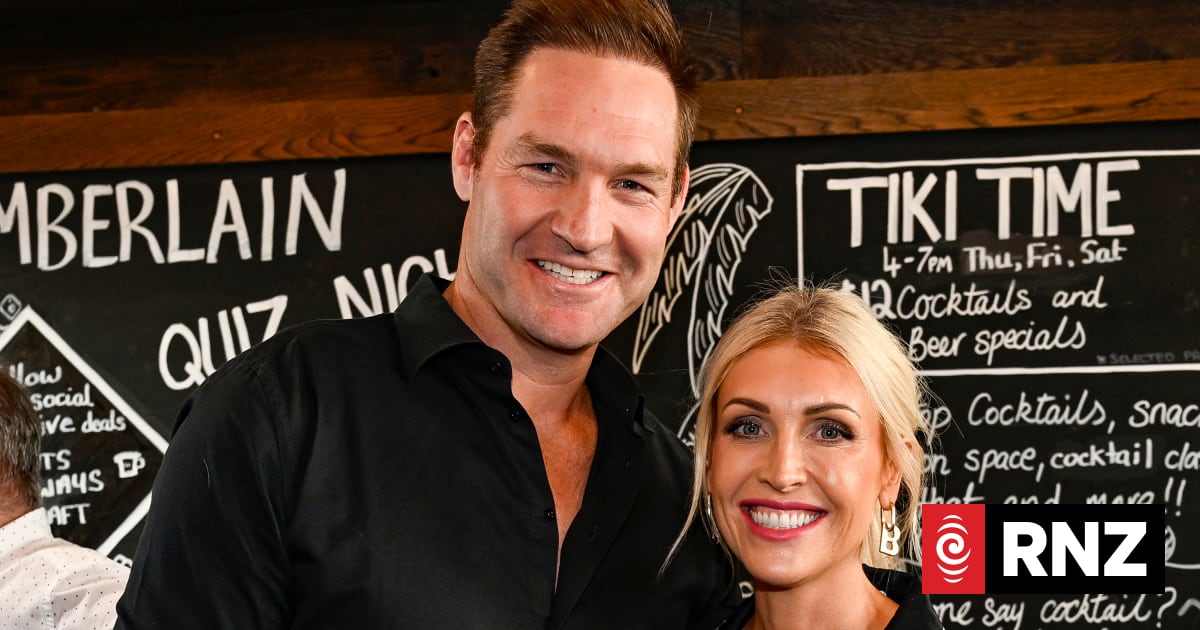
It might not always be the best result for fans, but privatisation of elite sport and the injection of money that follows is becoming more and more inevitableThe battle for the soul of sportOur elite netballers are waiting to hear if their careers will be tied up with two of the country's richest people in what commentators are calling the inevitable shift to privatisation of sport in Aotearoa.Netball New Zealand is in talks with Auckland businesswoman Anna Mowbray and her husband, former All Black Ali Williams, to take over the ANZ Premiership netball league, amid fears that the organisation's slow response will lead to an exodus of talent to other countries.Netball NZ is facing a $6 million deficit this year and there's uncertainty that a new competition could be set up in time for next year.Sport management executive Justin Nelson says privatisation is the only option, but it means Netball NZ will have to hand over control of the competition."It's a sports and entertainment business, you can't leave off the word business, you can't leave business out of the conversation so if you aren't prepared to hand the keys over it makes it very, very challenging to get the best result," says Nelson, who set up the Tauihi women's basketball league in New Zealand and worked at Sky Sports before returning to Australia.He says New Zealand has been slower than other countries to privatise sport but competitions like ANZ Premiership are expensive and to survive they need "business savvy" people to run them."National sporting bodies aren't geared up and don't have the skill sets to run an entertainment product and that's why privatisation is such a good thing for sport," Nelson says.He's been "picking up broken products and fixing them" for more than a decade, bringing in private investors to competitions like Australia's women's and men's National Basketball Leagues.He says the sports themselves benefit and it means that the bodies still have control of the grassroots and international competitions."The best sport operations when they privatise they accelerate the pace at which they can work but it also requires investment. I would say that is the single biggest difference that I've experienced between leagues that are owned by national sporting body, NZR (New Zealand Rugby), Netball New Zealand, even Basketball New Zealand."In a privatised league like we are here in Australia, you just work at pace, there's a lot of things that you can [get] done a lot faster."Sports blogger and Substacker Richard Irvine agrees private investment is the answer for Netball NZ but he also points to numerous examples locally and internationally where private investment has gone too far - this year's FIFA World Cup being the obvious standout."We sat through this last World Cup with 48 teams, with hydration breaks, with President Trump getting involved. Everyone kind of seemed to bite their lip through that but when it came out afterwards that we were looking at a 64 team competition with selling off some percentage to private equity with [Trump] involved there everyone just said that's too far," says Irvine."It goes to show that you can bend things to a certain extent but at some point it's going to break and FIFA's found the line."In New Zealand, cricket is leading the way with privatisation, which is good for the players but not for the local fans, Irvine says.Cricket players are a modern example of independent contractors, with the choice to play for the country and international franchised leagues."It definitely works for some of the players who have got these careers floating around the world making lots of money. It doesn't work for our fans here who want to see our best playing for New Zealand at all times and it also doesn't work for fans who want to see our best playing for domestic teams here."It is a little bit of a mess here from the fans' perspective but you can't begrudge the players to go and further their career any way they want."The scale of private investment in sport reached new levels recently when the Los Angeles Lakers basketball team was sold to venture capitalist Josh Kushner and former Disney CEO Bob Iger for a record NZ$21 billion."Anything goes in the US," says Irvine.But New Zealanders have a suspicion of the values and motives of private investors."It's that eternal battle for the soul of the sport, who truly owns it," he says."You saw that with New Zealand Rugby auctioning off part of the All Blacks commercial arm to Silverlake. That dragged on for years and it was a massive argument between provincial unions, the players union and New Zealand Rugby.A couple of years in the results are "hit and miss", he says."But the cold hard reality is that you need money to make professional sport work and especially in the current economy there's not a lot of it around so you have to be open minded about these things."




Most Popular




'Not Celtic' - O'Neill condemns Desmond protest
7 hours ago