
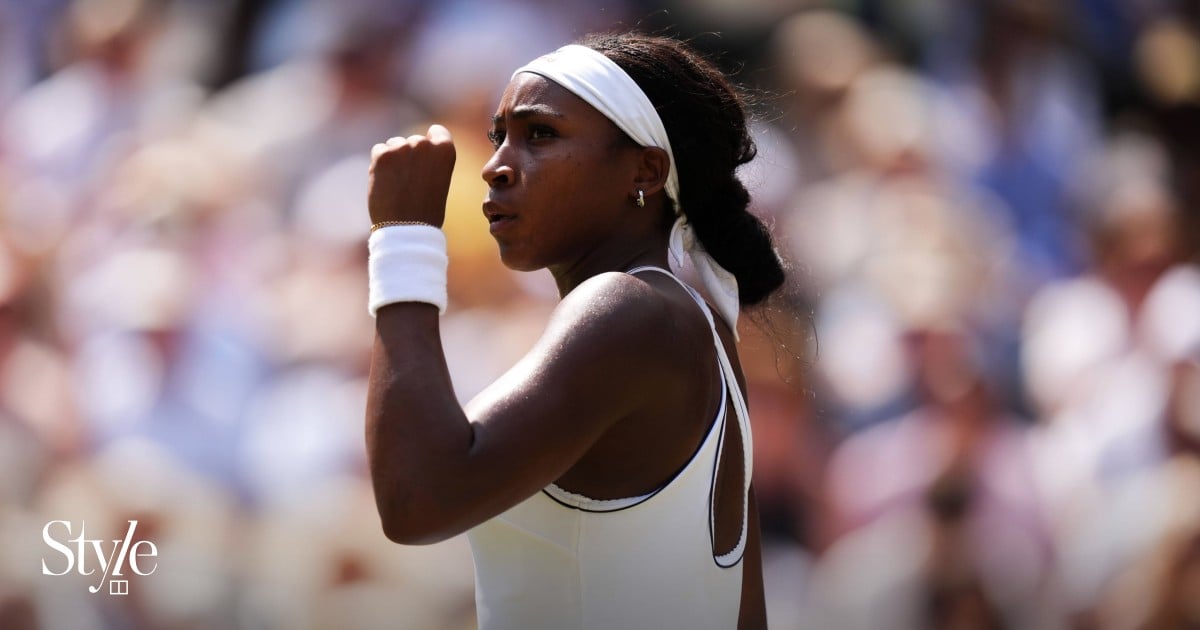
Tennis bracelets trend again: from Coco Gauff at Wimbledon to Meghan Markle
Originally known as a line bracelet or eternity bracelet, the design’s origins stretch back to the Victorian era, when the discovery of major diamond deposits in South Africa in the 1860s flooded the market with stones and made matched diamond jewellery newly accessible.Tennis bracelets came into their own in the 1920s, when advances in metalworking made platinum, a silvery precious metal far stronger than gold, the material of choice for high-end jewellery. It enabled designers to craft settings so fine they were almost invisible, with diamonds sitting flush against one another in an uninterrupted line.This clean silhouette made it a natural fit for the art deco period, when symmetry and proportion were the hallmarks of design, and the tennis bracelet quickly became a staple of society dressing between the wars. Much like the eternity ring, a continuous band of stones, the tennis bracelet wasn’t short of romantic associations, symbolising enduring love and thus a natural gift for anniversaries and significant milestones.The tennis bracelet’s sporting nickname came in 1987, when former American tennis player Chris Evert paused a US Open match to retrieve her diamond line bracelet after it flew off her wrist mid-match. The moment was broadcast live and permanently attached the sport’s name to the design.The diamond line remains a jewellery box staple, but modern tennis bracelets are just as likely to feature juicy coloured gemstones, unconventional settings and even alternative metals like titanium.




Most Popular