
Why have the European national teams been dominating American squads at the World Cup?
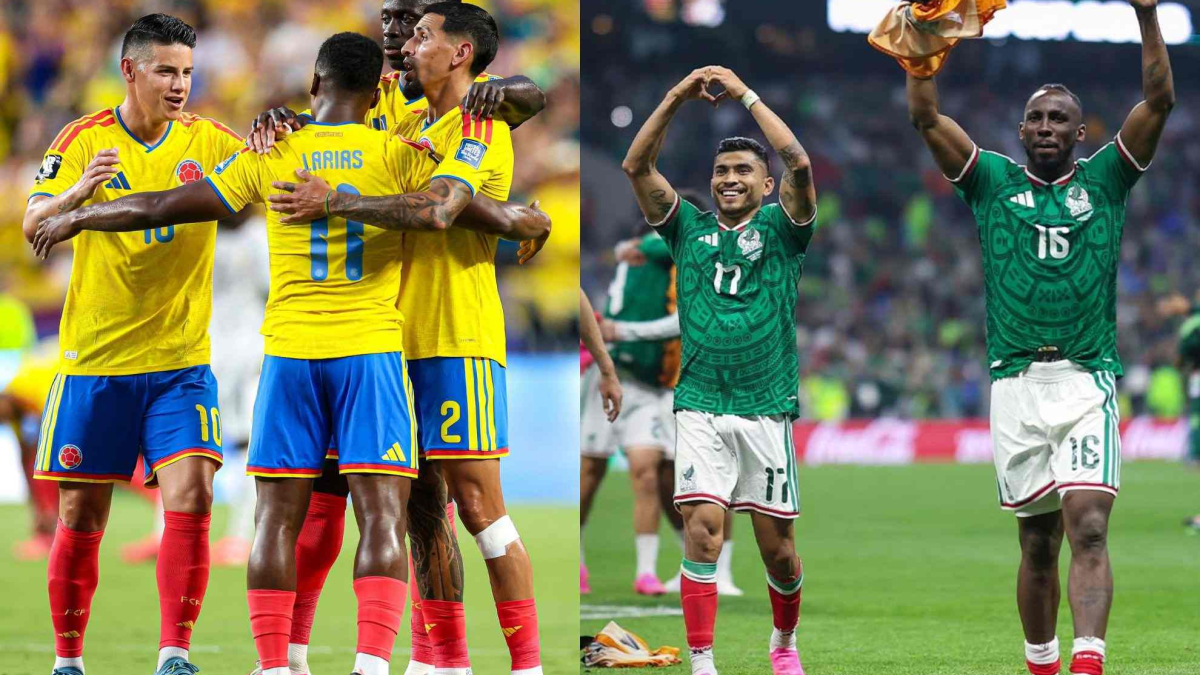
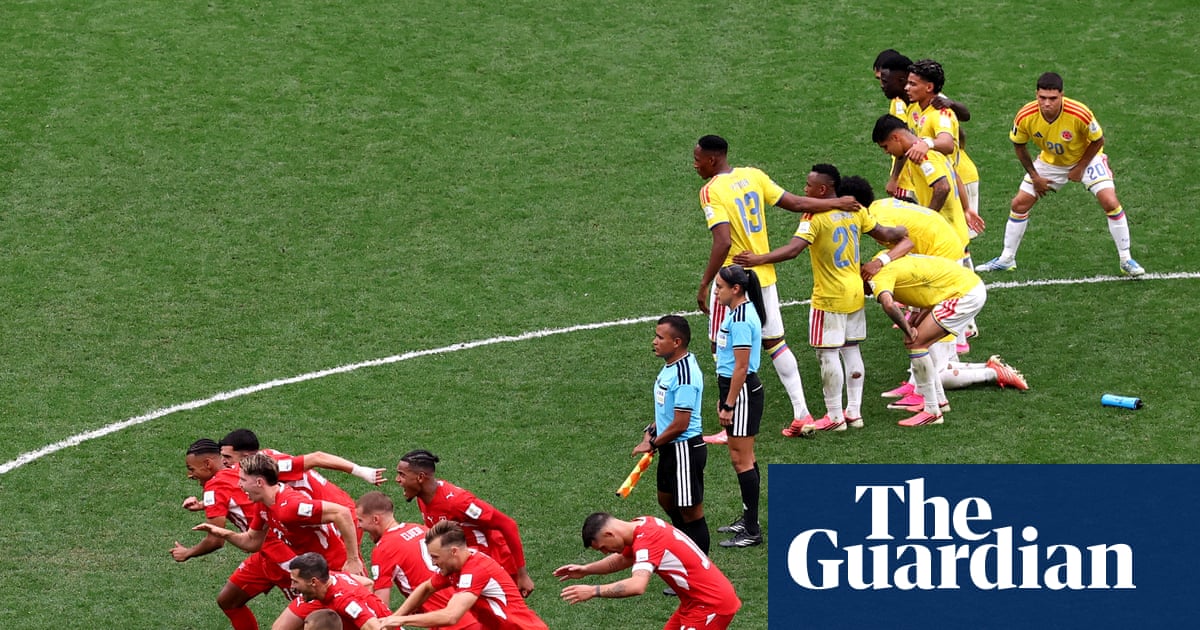
as the World Cup enters the quarterfinals, the soccer tournament has delivered memorable matches, stunning upsets, and emerging stars. But one trend has become impossible to ignore: Europe has taken over.Of the eight teams still standing, six represent UEFA: France, Spain, England, Norway, Switzerland, and Belgium. Morocco is carrying Africa's hopes, while Argentina is the lone survivor from the Americas after defending champion status helped fuel another deep run.If Argentina falls in the quarterfinals, the World Cup will be guaranteed to produce a champion from either Europe or Africa. That raises an uncomfortable question for soccer across North and South America. Why have teams from the Western Hemisphere struggled to overcome Europe's elite?An advantage that becomes evidentThe answer isn't as simple as saying Europe has better players. The gap is rooted in infrastructure, player development, tactical evolution, and depth. Europe has spent decades building the world's strongest soccer ecosystem.The continent's best players compete every week in the Premier League, La Liga, the Bundesliga, Serie A, and Ligue 1. They face world-class opponents, train under elite coaching staffs, and develop within organizations that invest enormous resources into youth academies and sports science. By the time those players arrive at the World Cup, many have already played in Champions League knockout matches, domestic title races, and high-pressure cup finals.That advantage becomes evident during the knockout rounds. European teams rarely panic. They stay compact defensively, adjust tactically during matches, and often possess enough depth to change games with substitutes who would start for many other nations. The 2026 tournament has provided several examples.Belgium eliminated the United States with clinical efficiency. England edged Mexico in a tightly contested Round of 16 match. Switzerland knocked out Colombia in a tense penalty shootout after frustrating one of South America's most talented squads for 120 minutes. Even Norway, a nation that had not appeared in a World Cup since 1998, eliminated Brazil behind disciplined organization and the finishing ability of Erling Haaland.It doesn't mean soccer in the Americas is in declineArgentina remains among the world's elite and continues to demonstrate why it entered the tournament as the defending champion. Brazil, despite its earlier-than-expected elimination, still possesses one of the richest talent pools on the planet. Colombia, Mexico, the United States, Canada, and Ecuador all showed flashes of quality throughout the competition.The issue is consistency. Too often, American teams can match Europe's intensity for stretches before small mistakes decide the outcome.Elite tournaments punish those mistakes immediately. Another challenge is player development.South America continues to produce exceptional individual talent, but many domestic leagues struggle financially compared to Europe's biggest competitions. As a result, promising players often leave at young ages, sometimes before fully developing at home.North America faces a different issue. The United States and Canada have dramatically improved their talent pipelines over the past decade, with more players reaching top European leagues than ever before. Major League Soccer has also become stronger, investing heavily in academies and infrastructure.America have room for improvementEven so, the region is still relatively young compared to Europe's century-old football culture. Many European nations have refined their youth development systems for generations. Producing technically gifted players is no longer enough, they also develop tactical intelligence, positional flexibility, and mental resilience from an early age.Those details matter in World Cup knockout matches. Perhaps the biggest takeaway from this tournament is that the gap is no longer about athleticism. North and South American teams can match Europe physically. They possess speed, strength, and individual brilliance.Where European squads continue to separate itself is in decision-making under pressure.The best European teams rarely beat themselves. They defend as cohesive units, recognize moments to slow or accelerate the tempo, and capitalize on opponents' mistakes with ruthless efficiency. That formula has carried six UEFA nations into the quarterfinals.



Most Popular


2026 World Cup Round Of 16 Power Rankings
3 hours ago