Presenting Surfing Super League
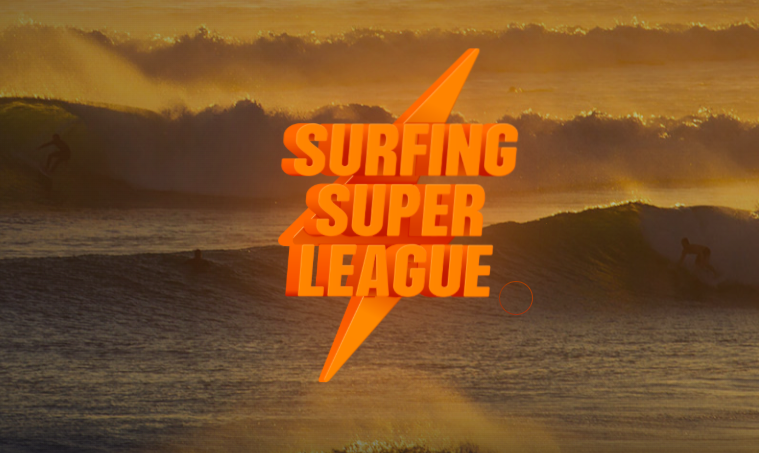
This morning, across non-endemic news sites the country wide, Surfing Super League (SSL) was launched.Taking its cues from Big Bash cricket, SSL is billed as “Australia's first professional surfing league” and plans to launch in summer 2028 with eight franchise teams, 90-minute ‘matches’, tag relay format, and all screened live on TV.Founder Chris Mater has clearly thought long and hard about this. As Surfing Australia CEO from 2018 - 2025 Mater has been privy to the numbers, yet over the years similar ideas have launched and all have failed.I’ve been told I’m a pessimistic bastard, and perhaps I am, but in this instance there’s reason to be sceptical.Who's actually watching?Contest surfing has a small, largely self-selecting audience - surfers watching surfers. A relay clock and a franchise structure don't obviously grow that. Mater's pitch leans on a purported $2.71 billion domestic market and 6.3 million active surfers. But that last number includes all the people who surf - even if it’s just once a year - not those who surf regularly, nor those who like watching it.The gap between those groups is a problem competitive surfing has never solved in any of its previous lives.For what it’s worth, every club surfer in Australia must be a member of Surfing Australia. In 2025, Surfing Australia had 45,000 members - which is a little less than 6,300,000.Old dog, new trickGorilla Grip Surf Tag had a crack at this in the eighties. It didn’t cut through. The Swan Surfing Super Series - also in the eighties and backed by Bondy’s bucks - pitted national teams against each other. It went straight to video.SurfTag has been quietly humming away for two decades or more.The nearest working analog is the Australian Boardriders Battle - same relay format minus the franchise branding - and that only draws a crowd for the final.The eight state qualifiers that feed into it draw a fraction of that. SSL is proposing to run an entire season on the model that, in its existing form, only works once a year.Who’s your tribe?The ABB's pull is largely tribal - viewers cheer for clubs not stars. Merewether, North Shelly, Snapper Rocks, and Sandon Point of course - came 5th. People turn up for the local tribe, not the surfing. SSL discards that allegiance entirely and asks fans to adopt eight new franchises from scratch.That's not tweaking the format but asking for a different kind of loyalty altogether. There's no guarantee it transfers.Out of seasonNewcastle, Sydney, and Victoria - which will have four of the eight franchise teams - are reliably ordinary across the SSL's proposed summer window. Surfable, yeah, but rarely good, especially when the intended time slot is 4pm Sunday afternoon. Can you say "howling nor'east"?Northern NSW and Queensland are more reliable, so it's not a blanket problem, but it is a real one for half the league. And unlike the WSL, which uses long waiting periods during prime season, SSL's fixed 90-minute matches have no flexibility.The Dream Tour was borne out of frustration at surfing to fixed times in sloppy suburban surf. That matters more than it might seem. We know even keen surfers won’t watch contests in poor surf, so what chance non-surfers?But the money is goodSSL is committing to an $89,000 flat salary for all 48 contracted surfers (eight teams of six surfers). Coincidentally, the average full-time wage in Australia is $88,400, so the SSL is paying surfers more than that for eight weeks' work. Great work if you can get it.Against that, the entire prize pool for the 2026 ABB series - over 100 starting clubs, nine events - is about $115,000, which was split between teams, not individuals.So SSL's wage bill is roughly forty times that, for a comparable format, chasing a similar audience, with the free-to-air version already sitting on YouTube and Channel 9.Though it’s been committed to print, the salary figure reads as much like a pitch to prospective investors - this is serious business - as it does a confirmed financial commitment.None of which means it can't work. Chris Mater knows the sport's business end better than most people, and apparently he’s an optimistic fella too.Stranger bets have paid off. But on the numbers so far: audience, precedent, timing, and cost, it's a lot of curious decisions stacked on top of each other for something that hasn't sold a single ticket yet.//STU NETTLE



Most Popular