How Diageo is set to make a frothy $1bn from a cricket team

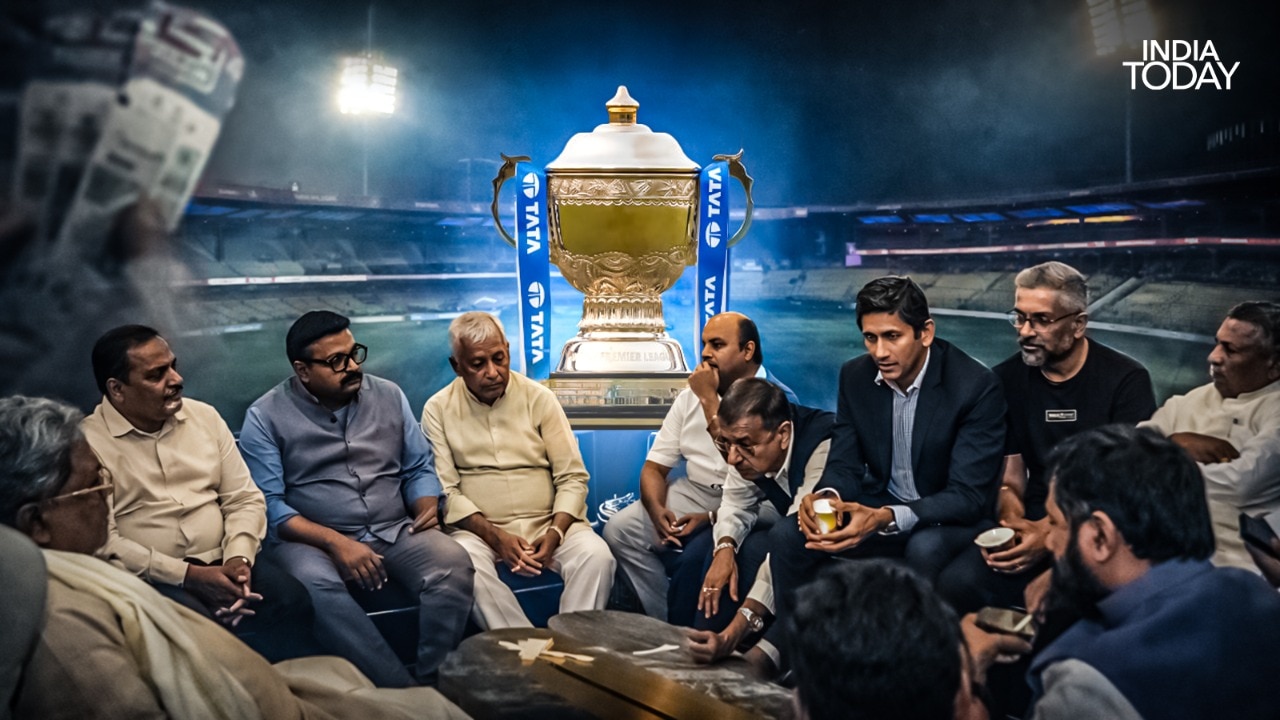
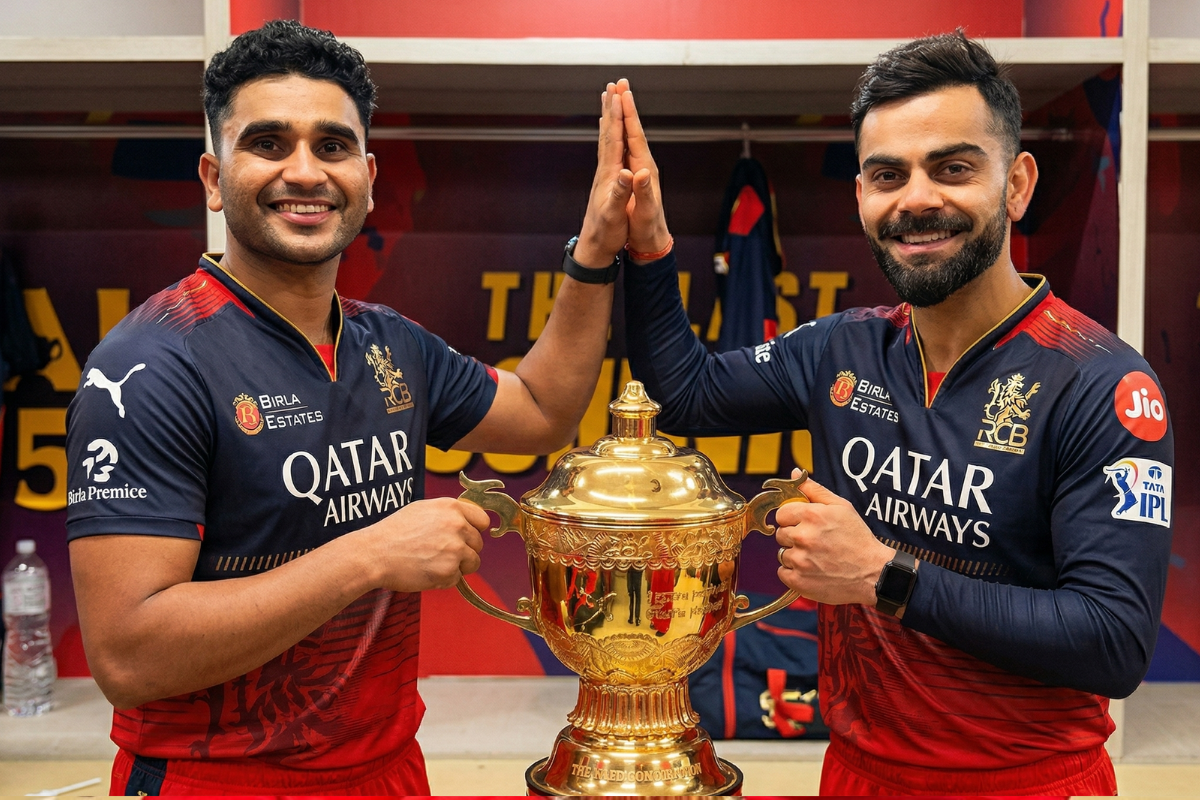
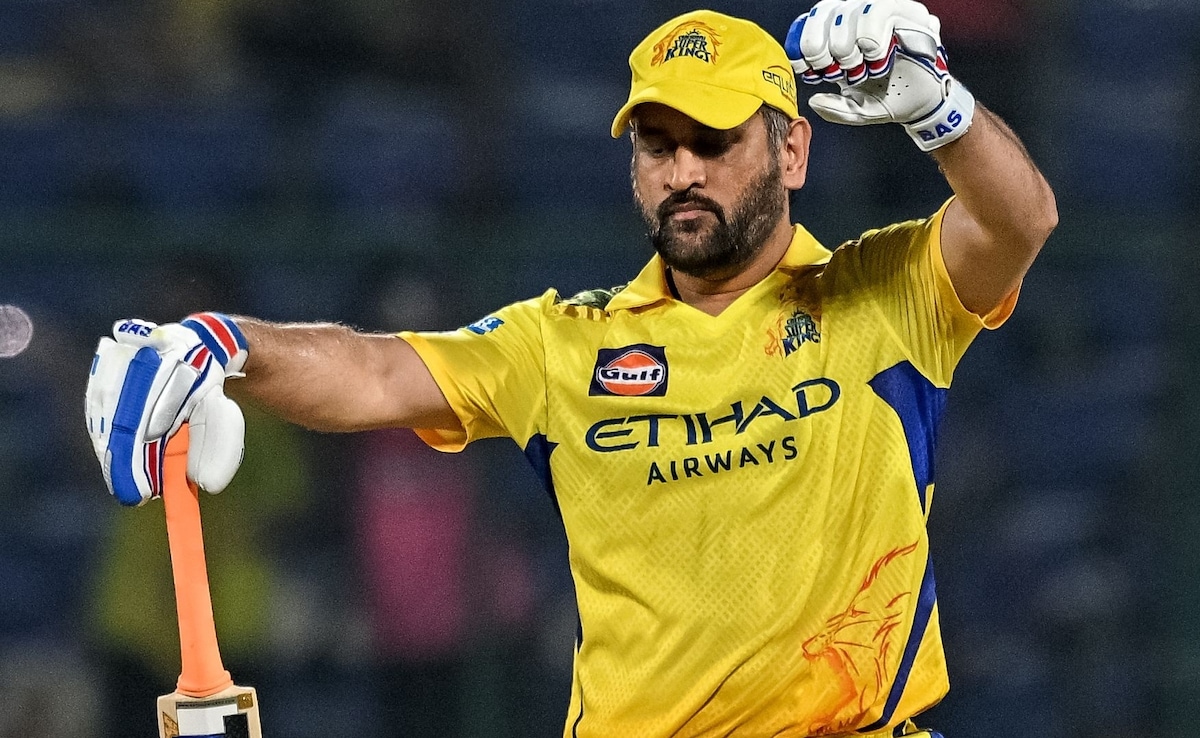
Diageo has faced a slew of problems in recent months, with calls for it to break itself up amid its struggles. It has changed chief executive and been reported to have weighed a sale of Guinness – something it has since denied – amid suggestions the business should focus on spirits and get rid of stout, beers and other lines that could be defined now as “noncore”.The drinks business isn’t what it used to be for the London-based giant. There is one surprising bright spot though: cricket.A long way from St James’s Gate, Diageo controls one of the most valuable cricket franchises in the world, the Royal Challengers Bengaluru (RCB) of the Indian Premier League (IPL) and is set to cash in to the tune of more than $1 billion (€863 million) from its upcoming sale.Howzat for a return?Whatever your view of the IPL – depending on where you stand, it is the future of cricket or destroying the soul of the sport – its financial success is undeniable and it now dominates cricket, including the international game, globally.Diageo’s journey to owning RCB was a convoluted one. India’s United Spirits bought the franchise for $111 million in 2008. Diageo then built up ownership of United, and has had a controlling stake in it since 2020.The company, wisely it turns out, decided to hold on to RCB given the explosive growth in team valuations. Although restrictions on alcohol advertising in India have made it less valuable day-to-day for Diageo, it seems investors were still queuing up to get hold of the RCB franchise.The fact RCB won its first IPL title last year has also boosted the valuation.A conglomerate, including US private equity giant Blackstone and a number of India-based firms, are set to take over RCB for about $1.8 billion, with much of the proceeds going directly to Diageo’s coffers.Investment bank Jeffries estimates the proceeds could add as much as 1 per cent to Diageo’s bottom line, according to Bloomberg. Not bad for a bet on a sport that Diageo made by happenstance and which it almost certainly would not have done by itself.

Most Popular

No. 15 Men's Tennis Sweeps Georgia in Third Top
18 hours ago
Horned Frogs Notch Eighth Top
15 hours ago