
Shakira and World Cup: A story told in anthems and global rhythm
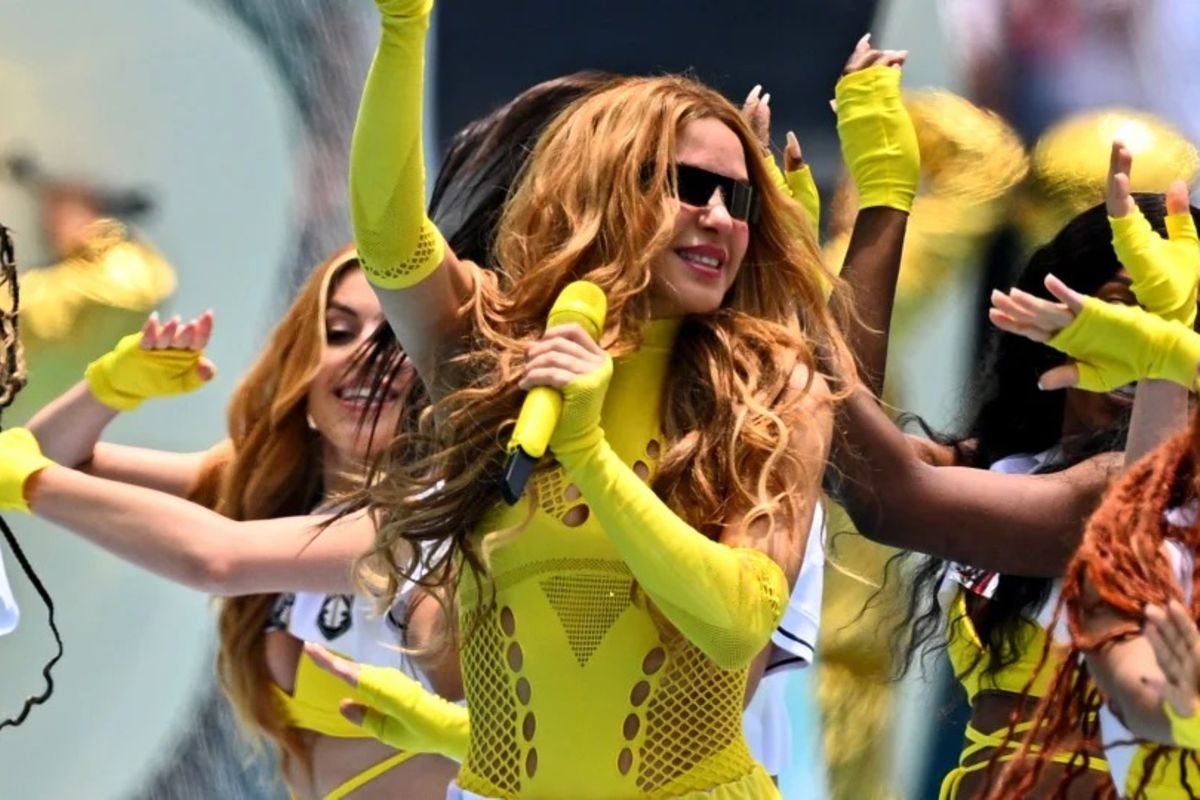
Dar es Salaam. For millions of football fans around the globe, the FIFA World Cup is remembered not only for spectacular goals, dramatic upsets and iconic champions, but also for the songs that capture the emotion of the tournament.And for nearly two decades, one voice has become synonymous with football’s greatest spectacle, Shakira Isabel Mebarak Ripoll famous known as Shakira.She born on February 2, 1977, in Barranquilla, Colombia and now is 49 years old.The Colombian singer has achieved something unmatched in World Cup history. Across four different tournaments and two decades, she has repeatedly taken centre stage, producing songs and performances that have transcended football and become part of global popular culture.Her World Cup journey began at the 2006 tournament in Germany. At the closing ceremony in Berlin, Shakira delivered an electrifying performance of a special version of her worldwide hit Hips Don't Lie, infused with elements from Bamboo. The performance demonstrated how Latin pop could perfectly complement football’s international appeal.Although it was not the tournament’s official anthem, the performance introduced Shakira to football audiences on a grand scale and hinted at an enduring relationship between the singer and the World Cup.Four years later, that relationship reached unprecedented heights. Ahead of the 2010 FIFA World Cup in South Africa, Shakira released Waka Waka (This Time for Africa), a song that would become one of the most successful World Cup anthems in history.Inspired by Cameroonian group Golden Sounds’ hit Zangalewa, the song carried themes of unity, hope and celebration.Its catchy rhythm, energetic choreography and uplifting lyrics resonated far beyond football circles.The song quickly became a global phenomenon, topping charts in numerous countries and amassing billions of views and streams over the years.More importantly, it captured the spirit of Africa’s first-ever World Cup and remains, for many fans, the definitive football anthem.Shakira performed Waka Waka at both the opening and closing ceremonies, cementing her place in World Cup folklore.By the time the tournament ended, it was impossible to separate memories of South Africa 2010 from the song that had become its heartbeat.Shakira returned to the World Cup stage in 2014 when Brazil hosted the tournament.This time, she introduced La La La (Brazil 2014), a vibrant samba-inspired track featuring Brazilian musician Carlinhos Brown.The song celebrated Brazil's rich musical heritage while maintaining the universal appeal that had defined her previous football projects.Its colourful music video featured football stars from around the world and included appearances by Shakira's son, adding a personal touch to the production.Although it did not quite replicate the global dominance of Waka Waka, La La La became one of the defining cultural symbols of Brazil 2014, regularly played in stadiums, fan zones and celebrations throughout the tournament.Now, more than 20 years after first appearing on the World Cup stage, Shakira has once again become part of football history.For the 2026 FIFA World Cup, jointly hosted by Canada, Mexico and the United States, she teamed up with Nigerian Afrobeats sensation Burna Boy to release Dai Dai, the tournament's official anthem.The collaboration blends Latin pop and Afrobeats, reflecting the increasingly global nature of both music and football.Shakira also performed at the opening match in Mexico City, once again proving her remarkable ability to connect with audiences across generations and cultures.Her enduring success in World Cup music goes beyond catchy melodies and memorable performances.Throughout her association with the tournament, Shakira has consistently embraced collaboration and cultural exchange.Whether drawing inspiration from African rhythms, incorporating Brazilian samba or partnering with one of Africa's biggest contemporary artists, she has used music to mirror football's universal language.The FIFA World Cup is ultimately a celebration of unity, diversity and shared passion. Few artists have embodied those values as effectively or as consistently as Shakira.From Hips Don't Lie and Waka Waka to La La La and now Dai Dai, her songs have become the soundtrack to some of football's greatest moments.Long after trophies have been lifted and champions crowned, the music remains. And for millions of fans around the world, the sound of the World Cup still carries the unmistakable voice of Shakira.
/https%3A%2F%2Fsportsmole-media-prod.s3.gra.io.cloud.ovh.net%2Fuploads%2F2026%2F01%2Fimago1071492059-1-696ff11f5c136979853802.jpg)


Most Popular


Haaland adds assist to 4-1 rout
17 hours ago