World Cup Turns Hydration Breaks Into a Multi-Million-Dollar Business
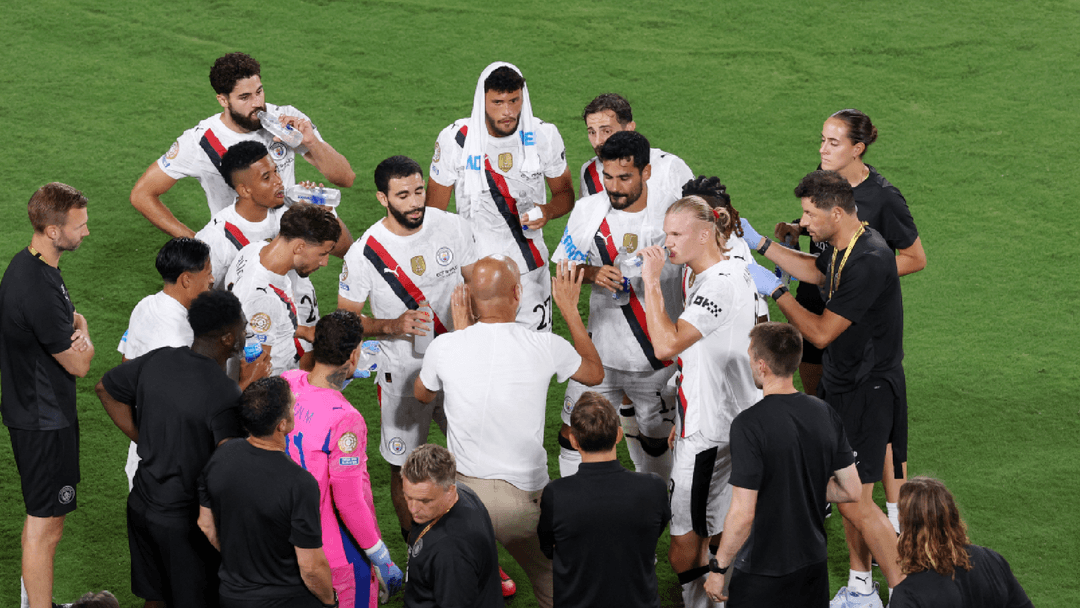
The 2026 World Cup is set to transform not only football on the pitch, but also the business behind sports broadcasting. For the first time in tournament history, FIFA will allow television networks to air commercials during hydration breaks, creating a massive new source of revenue for broadcasters and sponsors.The mandatory hydration breaks, already introduced in several competitions this season, will take place around the 22nd minute of each half and will last three minutes. Combined with the traditional 15-minute halftime interval, each World Cup match will feature three official breaks, creating 208 new advertising windows throughout the tournament.Industry experts estimate that a short commercial during the World Cup could cost between $2 million and $6 million, depending on the market and audience size. While still below Super Bowl levels — where a 30-second ad reportedly reached $10 million in 2026 — the financial potential remains enormous.According to reports from The New York Times, advertisements will not be allowed during the first 20 seconds of the hydration break and broadcasts must return to the match at least 30 seconds before play resumes. This leaves room for advertising blocks lasting up to two minutes and ten seconds.FIFA officially introduced the breaks as a player welfare measure, particularly because of the high temperatures expected at several World Cup venues in the United States. However, sports marketing experts widely view the move as a strategic commercial expansion.Analysts believe the decision reflects a growing “Americanization” of football broadcasting, similar to the timeout-driven commercial structure seen in sports such as the NBA and NFL. The pauses are also expected to offer opportunities for tactical audio, sponsor activations and deeper audience engagement.Television networks are likely to capitalize further by broadcasting conversations between coaches and players captured through sideline microphones, adding extra behind-the-scenes content for viewers.


Most Popular