Gray-Nicholls praises Marylebone Cricket Club bat law change
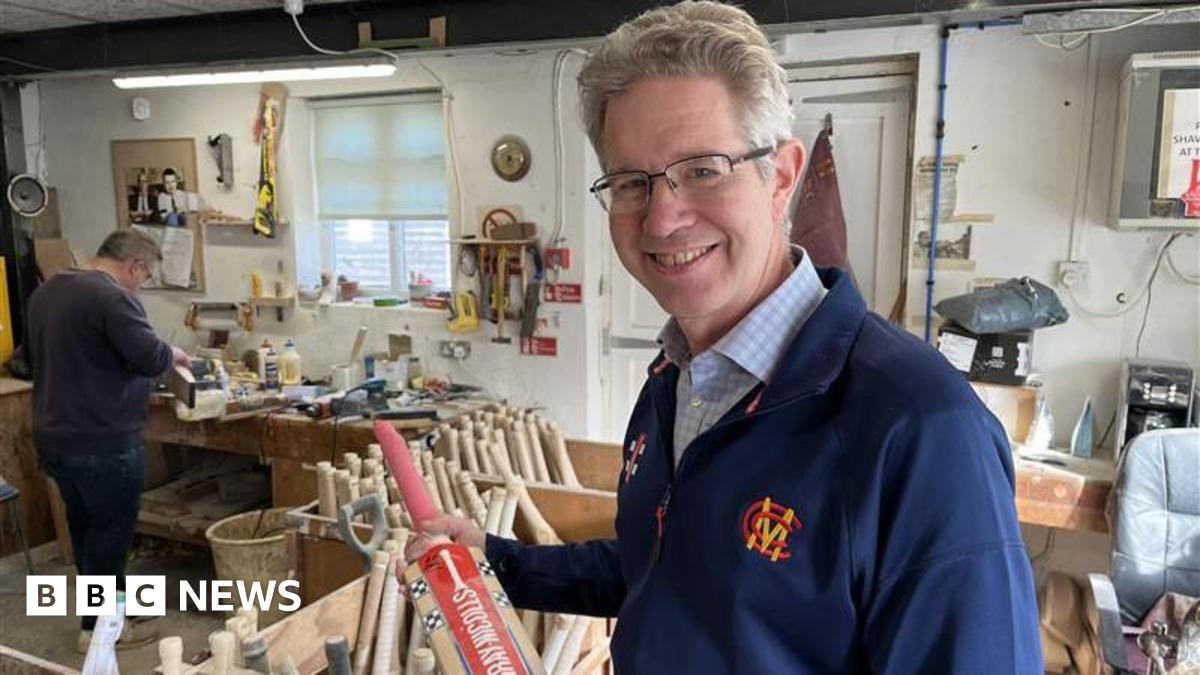
An East Sussex firm has praised recent law changes within the game of cricket to combat the rising cost of English willow.Gray-Nicolls, based in Robertsbridge, produces tens of thousands of cricket bats made from willow trees, many grown by the River Medway in Kent.The Marylebone Cricket Club (MCC) announced an amendment allowing laminated bats made with up to three wooden pieces to be used in recreational cricket.Richard Gray, CEO of Gray-Nicolls, said he was delighted with the law change, which would bring "significant savings" and make the bats "more affordable" and greener.The laminated bats - known as Type D bats - were previously only allowed in junior cricket but the MCC said it had changed the rules to try to slow the rising costs of bats around the world.Lamination is typically where the English willow face is backed by cheaper and lesser-performing willow, such as Kashmir.The law change to laminated bats also makes the sport greener."It also makes willow growing more sustainable as we can now make bats out of 80% of a tree rather than half of it," said Gray."We also plant two trees for every one we harvest which has environmental benefits for our growers, like the Hadlow Estate in the Medway valley."Types A, B, and C bats are traditionally produced using a solid single-piece English willow blade and it is expected that at the top level of the game these will continue to be the standard.However, due to the rapid expansion of cricket in South Asia and the relative scarcity of English willow, a compromise has been reached to benefit entry level players.




Most Popular