
Inside the Socceroos’ World Cup home: ping pong, pool, retro kits and organic omelettes
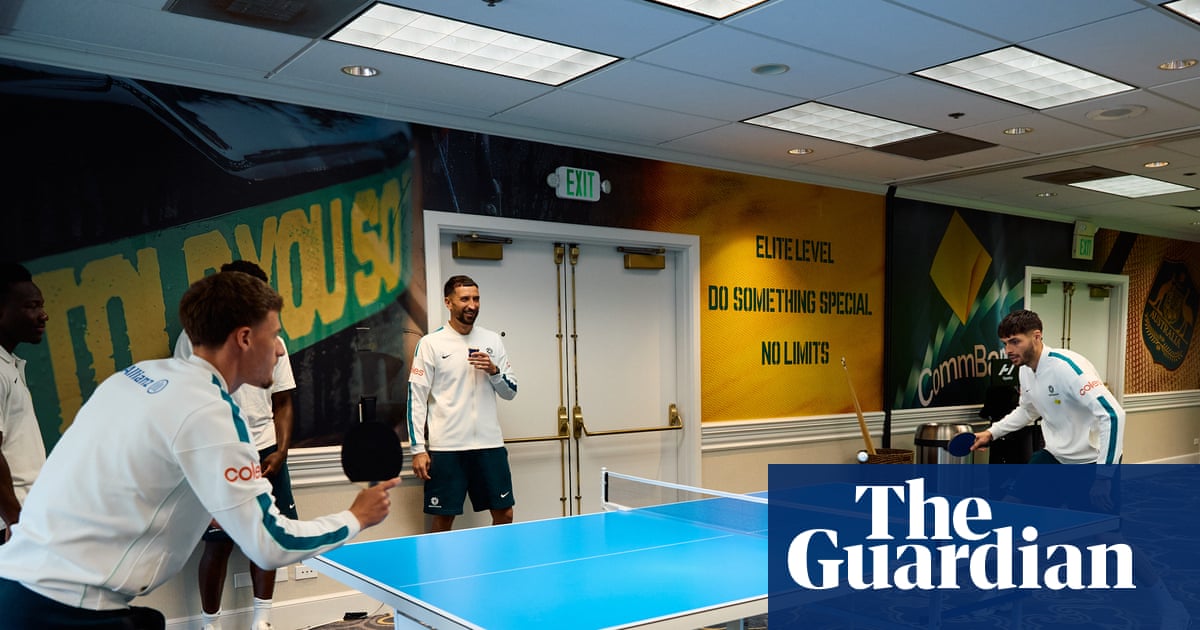
A thirsty student from the University of California in Berkeley set out to walk one mile, the story goes. It was 1937, and prohibition had been in place for decades in the San Francisco Bay Area, the frontier of American expansion.Alcohol sale was barred anywhere within one mile of the campus, including at the grand Claremont Resort on the edge of Berkeley. Yet as support for prohibition waned, the law was tweaked to measure the radius by street distance rather than crow’s flight.Navigating the steep streets in the hills overlooking the Bay, the student and her friends discovered the hotel was beyond the one mile radius by a few feet. The hotel – so the mythology goes – seized on the discovery, opening a bar and offering the woman free drinks for life.Almost one hundred years later, the Socceroos occupy the same hotel, bright white and castle-like, in contrast to the dusty hills behind. Not far from the working class suburbs in the Oakland area, where homelessness and drug addiction are impossible to ignore, the Socceroos’ every need is provided for.The legend of the student – even if it is now understood to be exaggeration – highlights the rich past of Australia’s grand World Cup home. Team staff have added visions of the Socceroos’ own history to the hotel’s walls.“Qualifying for a World Cup is never taken for granted. Non-qualification is seared in our hearts, so we honour our successes, from 1974 through to the consecutive qualifications since 2006,” said Football Australia’s head of national teams, Gary Moretti. “The players walk past that memorabilia every day, whether it’s fixed imagery or rotating screens.”There is a shirt from every World Cup campaign along the hall. Photos of previous Australian sides are displayed in the dining room. These echoes have prompted this tournament’s young generation, such as Nestory Irankunda and Mo Touré, to reflect on their place in the Socceroos’ history, and to look back at the achievements of the likes of Harry Kewell and Mark Viduka. “On our table we have a lot of young boys and we were like, that’s our goal as well for one day,” Touré told the Guardian ahead of the tournament.The hotel is not just a history lesson. The Socceroos each have their own room – which at the Claremont next month would cost a guest at least US$355 ($477) per night – but they spend much of their time together playing darts and ping pong, and watching the other World Cup matches in the communal space.“There are Socceroo things everywhere, from the start until now,” said defender Alessandro Circati. “My favourite [part of the hotel] would have to be the games room; there’s a ping pong table, there’s a cafe in there, there’s darts, pool. That’d probably be the place apart from my room where I spend the most time.”At the cafe, the Socceroos’ caffeine demands are met by a barista called Bobby, employed under a partnership with a coffee company. There is also a dedicated head chef from Brazil, who will typically make 24 omelettes a day. There are also barbecue days and occasional sushi.“Because they’ll be here for close to two months, the main focus is variation. It’s about making the food attractive so they really want to eat, while providing the appropriate macronutrients so they can perform well,” said head chef Vini Capovella, who is at his fourth World Cup.“We put together menus using the amazing organic produce and beautiful produce we can find here in California. However, we did bring some Australian products. Vegemite – it’s a staple food we cannot escape from.”The Socceroos play their third match of the tournament against Paraguay on Thursday (Friday AEST), an hour’s drive from their hotel and less than 30 minutes from their training facility. The benefits they gain this week is why they chose Oakland as a base.“Once the final draw allocated us to the west coast of the USA, we did our due diligence,” Moretti said. “The combination of the training site and the quality of this hotel was critical for Australia’s home away from home.”Next week, the Socceroos will be forced to vacate the Claremont, even if they progress through to the knock-out stage. Fifa has booked accommodation for each team that qualifies for the round of 32 in the city of each match. It means the Socceroos would move to a new hotel in cities such as Boston, New York or Dallas, hoping to add another famous chapter to their World Cup story.Above Oakland however, the Claremont Resort will welcome new guests, and watch the fog over San Francisco Bay roll in again.



Most Popular







Live: All Whites v Egypt
2 hours ago
