John Virgo obituary: Snooker, Big Break and BBC commentary
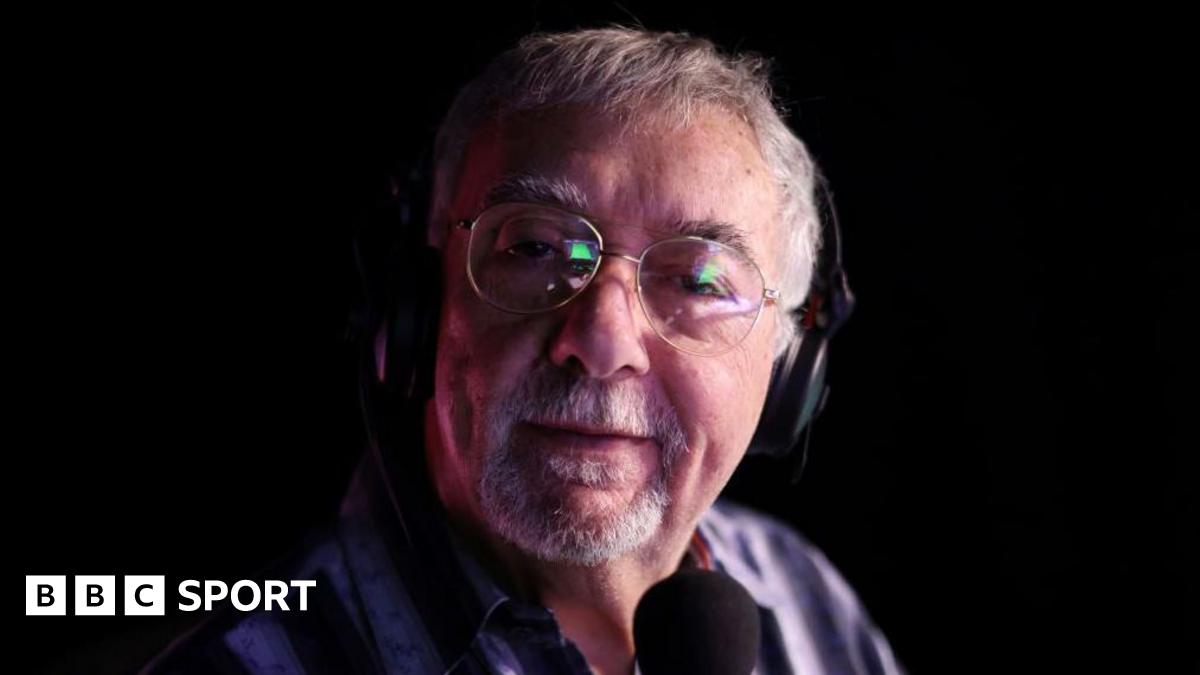
John Virgo was old school. He had a string of one-liners down pat, a deep mine of anecdotes ready to roll out at any given moment, and a sureness of just how fortunate he had been to stumble on snooker.Born in Salford in March 1946 - just after World War Two - Virgo grew up with a passion for playing football with his friends on bomb-hit wasteground. A Manchester United fan, he grew up adoring the Busby Babes, and the boyhood passion for the Red Devils never left him.But Virgo's sporting future was not on the green grass. The green baize was where he would first make his mark.At the age of 12, Virgo stepped into a snooker club for the first time - seeking out a group of footballing friends. The mother of one of those boys - Alan 'Chinner' Heywood - had directed Virgo to the club off Trafford Road. Once there, Virgo's eyes lit up.His life would never quite be the same again. Despite his father, William, swiftly banning Virgo from the club, out of concerns for a boy so young treating such a venue of questionable repute as his playground, snooker had already won."My father said it was a rat pen, a den of iniquity. I didn't even know those words," said Virgo, many years later.The ban didn't last long.Virgo, who has died at the age of 79, soon became the British Under-16 champion - a title future world champions Stephen Hendry, Ronnie O'Sullivan and Mark Williams would later win.He became many things in life: a super snooker player by the standards of his day, an inveterate gambler whose habit almost destroyed him, a marvellous wit, a surprisingly excellent physical mimic who could send up a host of fellow cuemen, and a man who had a very firm grip on where the cue ball was going.There were many in the sport who regarded Virgo as a good friend. He was one of few who got close to the volatile Alex Higgins.Virgo spoke of Higgins rescuing a sport that was "going nowhere", crediting him with reinventing it into a spectacle that was both "watchable and exciting".Those who could bear Higgins would acknowledge the man from Belfast was a trailblazer, who lifted snooker from a niche concern to a sport that gained blanket television coverage each year, particularly at World Championship time.Virgo was in no doubt he was lucky to come into the sport at a time the spotlight was so often on Higgins - a huge personality among a set of players who were either more on the dour side or naturally introverted.Snooker clubs were enjoying a boom, but they often remained places of ill repute, and Virgo recognised there was historical justification for that."The professional game in the late '70s and early '80s became very popular on television, but before that in every town there was a snooker club and someone in there would be having a bet on this, that and the other - a completely different culture to what it is now," he said."In my day, you either played for money or you backed someone else. The centre of attention was that snooker table and the gambling that was going on."Virgo was nicknamed 'Mr Perfection' during his playing days, but a run to the semi-finals in 1979 was as close as he came to winning the World Championship. Later that year, he won the UK Championship, beating Terry Griffiths 14-13 in the final despite showing up late for the final session and being docked two frames.That was the biggest title of his career, though Virgo was seen by some to have squandered a big chance at the Crucible in 1982.As it happened, his hopes of winning big in Sheffield were somewhat dashed by some good fortune elsewhere.A big gambler at the time, Virgo reckoned he won more with a hefty punt on Dawn Johnny and Walter Swinburn winning the Chester Cup than he would have for lifting the World Championship trophy. Considering the Crucible top prize was £25,000, that was some claim.His mind was abuzz after his pocket-lining trip to the races, and his snooker suffered, with Virgo later suggesting he had bungled a glorious opportunity as he lost 13-8 to Ray Reardon in the second round.David Taylor, who reached the Crucible semi-finals in 1980, said some years ago: "Virgo is another who could have been a world champion."I remember John going to India. He'd won the UK Championship and went out there, and he said to me that he was practising out there and Steve Davis came along and said, 'I'm playing today, can I have a few hours with you,' and after two hours Davis said, 'John, I'm going to practise by myself, I've not had a shot yet.'"John Virgo was that good. He really was special, and people tend to forget it."They forget it because of what followed.Firstly, there was Big Break - the BBC One primetime snooker-themed quiz show that Virgo co-presented with Jim Davidson from 1991 to 2002.It was a gig that dug Virgo out of a financial mess caused by gambling excesses, at a time when his playing career had petered out, and it made him a star to an even wider audience - his dry wit and mastery of trick shots making him a perfect foil to the popular Davidson.They were together for more than 200 episodes of what became a Saturday evening light-entertainment staple. It made Virgo a star, and while his face was rarely seen on screen in the decades that followed the end of that show, his voice remained an integral part of the BBC's coverage of snooker.He brought old-school charm, expertise and worldliness to the commentary box.Barely two weeks ago, he was on great form at the Masters. Virgo's voice came with a sing-song tempo, rising and falling in that familiar brogue. He had the experience of being the man at the table, of knowing what the adrenaline was like when matches were on edge, or when victory was coming into sight. Nobody conveyed that quite as naturally as Virgo.He was not one for dwelling on statistics, telling the BBC's Framed podcast in 2024: "I watch a lot of sport and I know everybody wants to know the stats... [but] I feel my job as a commentator is just to tell people what's happening on the table and try to get into the mind of the player."In September 2021, Virgo caused a stir when he told the Talking Snooker podcast he believed he was being pushed into retirement.As it turned out, he remained a presence in the commentary box until his final weeks.That could have changed almost a decade ago, when he was famously heard swearing on mid-afternoon BBC coverage at the 2016 World Championship, while a tenacious but pedestrian semi-final between Mark Selby and Marco Fu played out.Believing he was off microphone, Virgo remarked: "I wanted to watch a bit of racing this afternoon. I'll be lucky to watch some [expletive] Match of the Day."As it happened, the quip was quickly laughed off and forgiven.That moment captured the essence of the man. He found humour where others might have been tearing out their hair. It was relatable content.Virgo did pantomime in his time, befriended his childhood hero George Best, and was even the first man to attempt to comfort Steve Davis moments after his famous black-ball final defeat by Dennis Taylor in 1985, poking his nose into the deposed champion's dressing room to find him in a flood of tears, inconsolable.So this is the end of the Virgo story - another of the famous names of snooker's late 20th Century boom years gone.He is survived by wife Rosie and children Gary and Brook Leah.Tributes came from far and wide, from snooker circles and the likes of former boxing champion Frank Bruno and musician Rick Wakeman - friends from the celebrity circuit.They will pour in for days and weeks to come.For many, the World Championship in April won't be the same without him.The Salford sage has left his stage.Goodnight, JV.
.jpg)



Most Popular


Finishing second is a huge improvement: Klinger
13 hours ago