Rs 7 Crore at 15: Why Vaibhav Sooryavanshi’s cricket earnings are taxed differently under Indian law
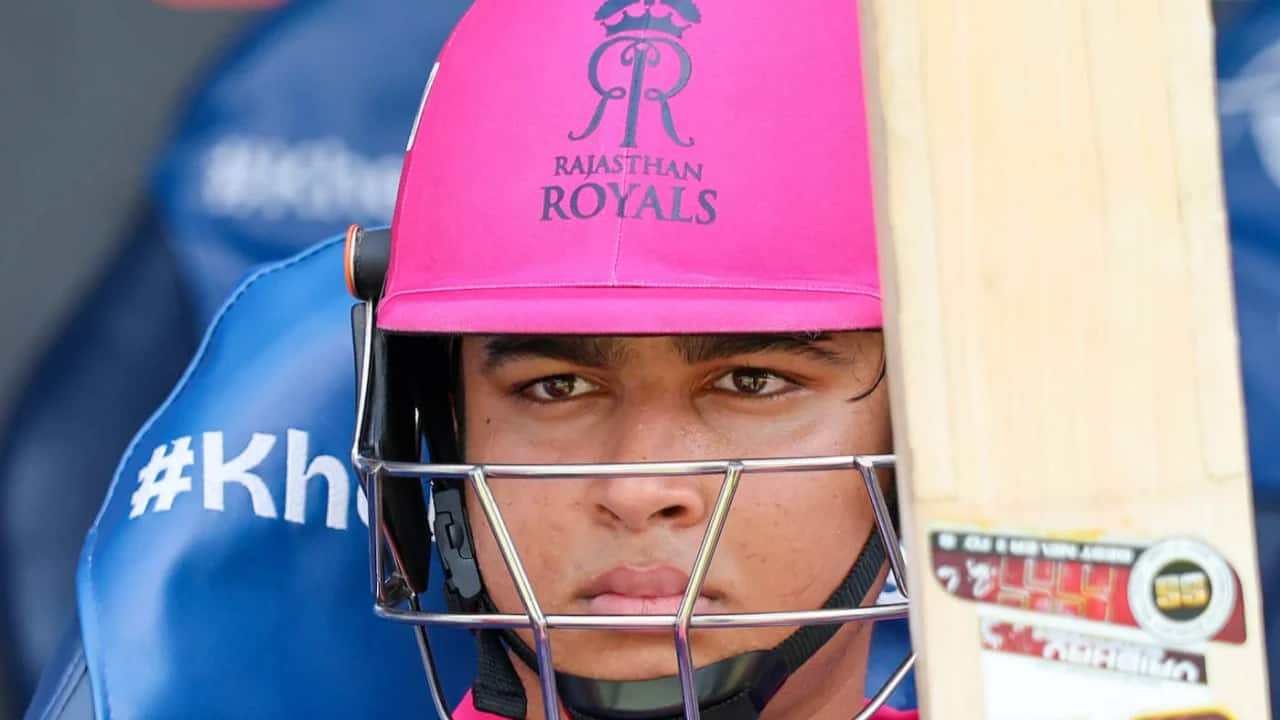
Teen cricket sensation Vaibhav Sooryavanshi has reportedly amassed an estimated net worth of nearly Rs 7 crore at just 15 years of age, thanks to his performances on the cricket field, IPL contracts, sponsorship deals and endorsement earnings. While his financial rise has sparked admiration, it has also raised an important question — how does income tax apply when such large earnings belong to a minor?Under Indian tax laws, anyone below 18 years of age is classified as a minor. Generally, income earned by minors is not taxed separately. Instead, Section 64(1A) of the Income Tax Act mandates that a minor’s income is usually clubbed with the income of the parent who has the higher taxable income.This provision largely applies to passive income sources such as interest earned from savings accounts, fixed deposits, investments made in a child’s name, or returns generated from assets transferred by parents. However, Vaibhav’s case falls under a major exception.Also Read | RCB have reached the summit but have they achieved greatness?Why Sooryavanshi’s income is treated differentlyIncome earned through a minor’s own talent, specialised skills, manual work or professional effort is not clubbed with parental income. Since Vaibhav’s earnings stem from cricket contracts, tournament appearances, sponsorships and endorsements — all outcomes of his sporting abilities — the income is taxable in his own hands.Tax professionals often classify such earnings under income arising from personal skill and effort, which separates them from passive or investment-linked income that would otherwise be clubbed with a parent’s earnings.This exception extends beyond cricket as well. Child actors, singers, social media creators, reality show participants and young athletes across disciplines can also fall under this category if their earnings arise from their own expertise and performance.OPINION | Suryakumar Yadav as India T20I captain: A tenure to be proud ofHow clubbing rules usually work for minorsFor most minors, income tax rules continue to follow clubbing provisions:-If both parents earn taxable income, the child’s income is added to the income of the parent earning more. -In cases of divorce, income is clubbed with the parent who has custody of the child. -If both parents are deceased, the minor’s income is taxed separately and a guardian files returns on the child’s behalf.The law also provides limited relief through Section 10(32), under which parents can claim an exemption of ₹1,500 per child when minor income is clubbed with their earnings. Any income beyond that threshold remains taxable.Filing taxes for talented minorsBecause earnings generated through personal skill are taxed separately, minors like Sooryavanshi may need to file their own Income Tax Returns (ITR), though the filing is done through a parent or legal guardian acting as a representative assessee.The applicable ITR form depends on the nature of earnings. Income from professional activities, endorsements, tournament winnings or sponsorships is commonly reported under business or professional income categories, making ITR-3 or, in certain cases, ITR-4 relevant.Since Vaibhav Sooryavanshi’s earnings are derived from his cricketing ability, tournament performances and endorsement deals, they qualify as income generated through personal skill and talent, meaning they are taxed in his own hands rather than being clubbed with his parents’ income.




Most Popular