CSK's INR 9.57 crore treasure: Ramakrishna Ghosh's debut generated a profit of nearly 900 per cent

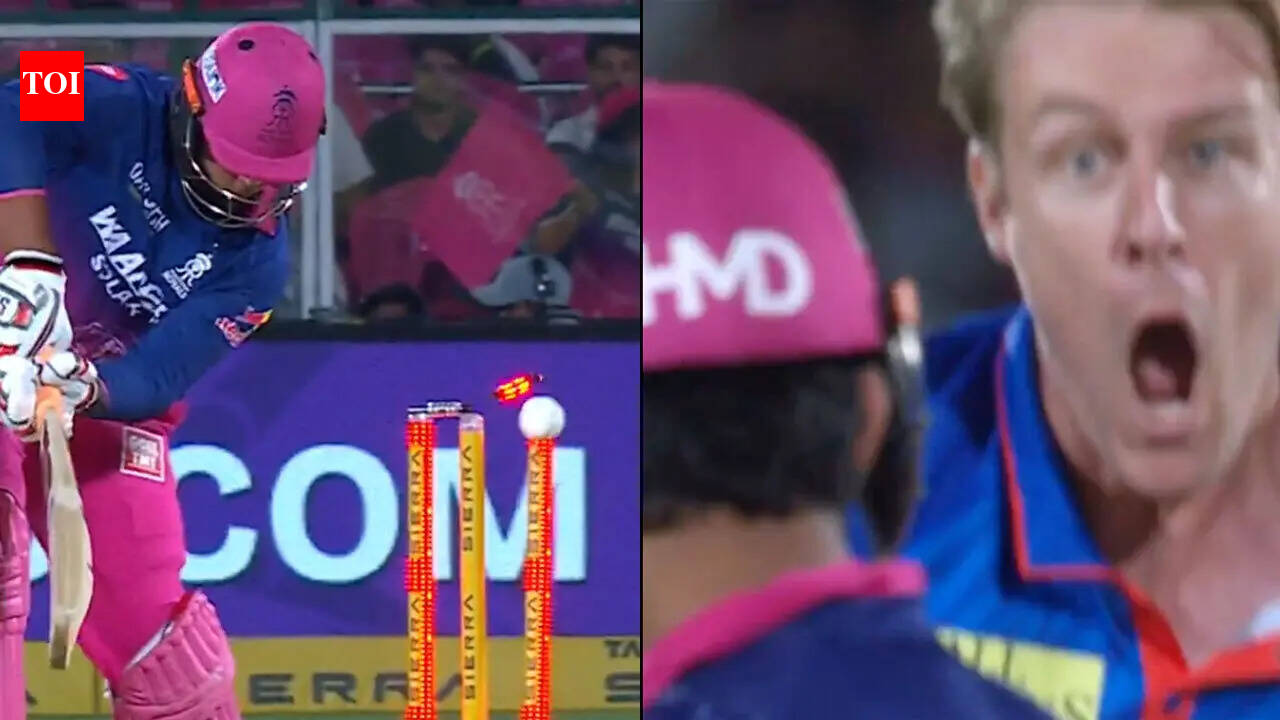
Ramakrishna Ghosh’s first appearance in IPL did not dominate the scorecard, but the money ledger picked up what the headline result could easily hide: three overs, one wicket, one catch and a return nearly ten times higher than his match cost.MI chose to bat and reached 159 for 7. They needed their middle order to stretch the innings beyond CSK’s comfort zone. Ramakrishna, on debut, helped stop that from happening.His season price is ₹30 lakh. In our valuation model, his match cost was ₹5 lakh, based on the dynamic appearance denominator applied to his season ledger.Against that cost, he generated a match worth of ₹47.84 lakh. That left CSK with a match profit of ₹42.84 lakh.The profit percentage was 856.8%. That is the excess return after subtracting his cost.So the ledger reads like this: ₹5 lakh cost, ₹47.84 lakh value generated, ₹42.84 lakh profit booked. To put it in simpler terms, suppose the investment is ₹ 1 crore; Ramakrishna Ghosh has returned nearly ₹ 9.57 crore.For a debutant, that is not a small operational win. That is a hidden treasure entry in CSK’s season balance sheet.Ramakrishna bowled three overs for 24 runs and took the wicket of Suryakumar Yadav. That was not a decorative wicket added after the match had already drifted.Suryakumar had reached 21 off 12 and was beginning to move into the phase where MI could still push the innings beyond 175. At 99 for 2 in the 11th over, MI had wickets in hand, power in the middle order and enough time to force CSK into a more difficult chase.Ramakrishna broke that passage. His delivery drew the mistake from Suryakumar, Dewald Brevis completed the catch, and MI slipped to 99 for 3. From there, CSK kept the innings within reach. MI managed only 159 for 7, a total that never fully escaped Chennai’s control.That catch contributed in the model because fielding is not treated as background activity. A dismissal is a real event. It removes a batter, shifts the innings state and changes the value of the next phase.His fielding score stood at 5.96. His bowling score was 9.99. Together, they raised his core impact score to 15.95 before the rating adjustment boosted the financial return.This is the central logic of the money ledger. Expensive players need major performances to clear their match cost. Lower-priced players can generate huge profits by making direct, meaningful interventions.Ramakrishna’s cost base was tiny. His cricket output was not. A wicket of Suryakumar’s value, three controlled overs, and one completed catch made the gap between cost and contribution unusually wide. That gap became CSK’s ₹42.84 lakh profit.Also Read: CSK vs MI Highlights IPL 2026: Ruturaj Gaikwad guides CSK, completes the double over hapless MIBut before the chase became comfortable, CSK needed MI to be held inside a manageable range. Ramakrishna played a part in that containment.He did not win the match alone. That is not the claim.He did something more specific from a valuation perspective: he gave CSK high-return performance from a low-cost slot. In a long IPL season, those are the entries franchises hunt for.



Most Popular