
Global Sports Tourism Market Set to Reach $1,212 Billion by 2032 with Rising Popularity of Experiential Travel and Mega Sporting Events
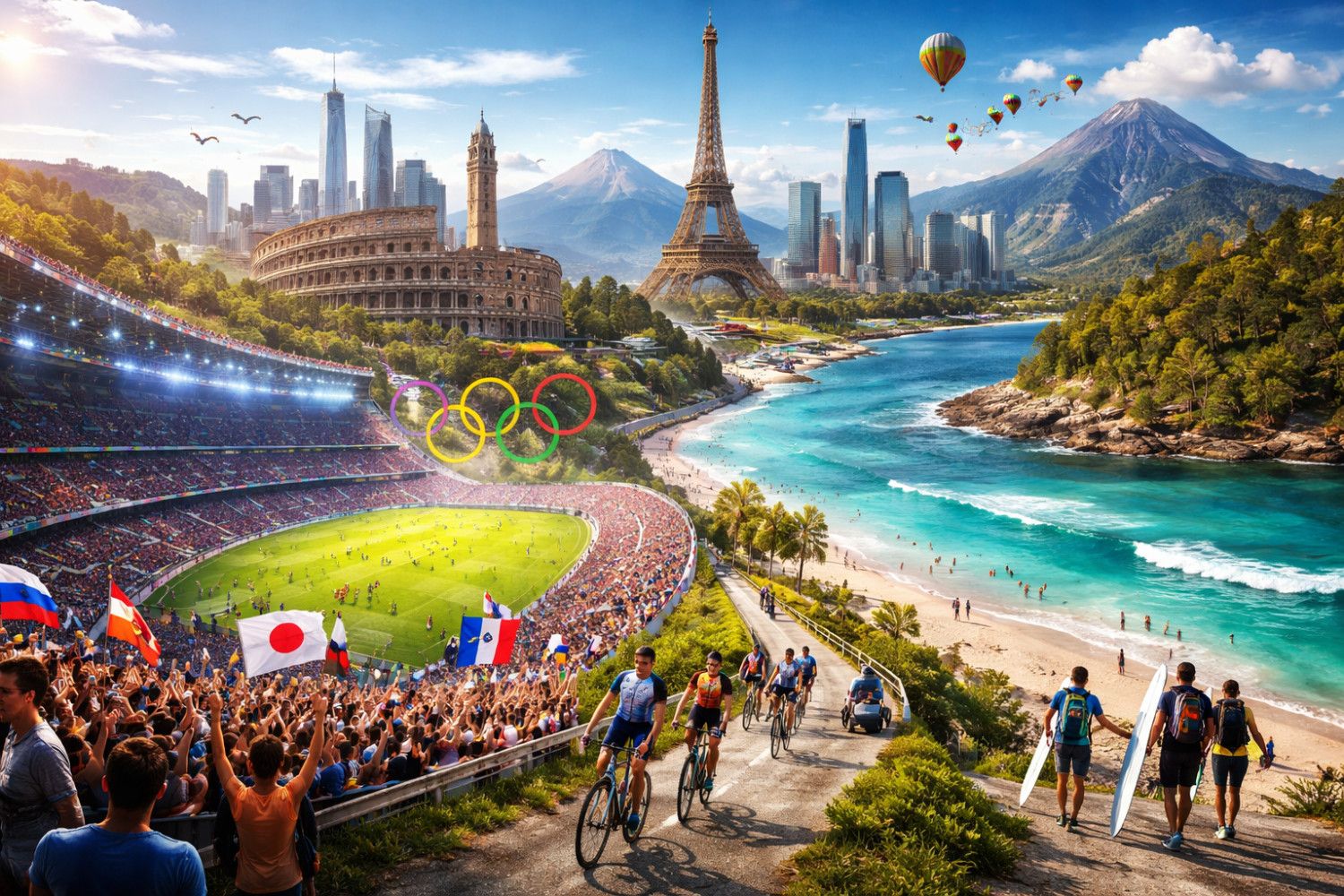
The global sports tourism market is experiencing rapid growth, with the industry projected to expand from US$ 702.6 billion in 2025 to a staggering US$ 1,212 billion by 2032. This expansion reflects a robust compound annual growth rate (CAGR) of 8.1% throughout the forecast period, with rising interest in mega sporting events and active sports tourism leading the charge. Sports tourism offers a unique blend of travel, adventure, and passion for sports, providing unforgettable experiences for fans and participants alike. Whether it’s attending international sporting events, participating in adventure activities, or enjoying live competitions, this market is tapping into a new wave of travel that prioritizes excitement, connection, and immersive engagement.The Growing Appeal of Sports Tourism and Its Impact on the Global Travel LandscapeSports tourism is becoming one of the most exciting and rapidly expanding sectors within the global travel industry. No longer just about traveling for leisure, sports tourism involves embarking on journeys that revolve around sporting events, physical activities, and athletic competitions. The rising popularity of experiential travel has been a key driver of this trend, particularly among younger generations who value authentic, live experiences over material possessions.The sports tourism market is flourishing due to the increasing participation in active sports, the global proliferation of mega sporting events, and the growing demand for travel experiences that are immersive and emotionally engaging. In particular, Millennials and Gen Z are leading the way, with a preference for attending live sporting events that offer social interaction, excitement, and memorable moments—elements that virtual viewing cannot replicate.Additionally, sports tourism has given rise to a whole new segment of travel that combines sports with culture and adventure. Whether it’s attending the world’s biggest football tournaments, embarking on a cycling expedition, or participating in a marathon, travelers are seeking more than just entertainment—they are looking for life-changing experiences. This shift is making sports tourism not just an industry but a lifestyle choice for a large and growing segment of the global population.Why Experiential Travel Is Driving the Sports Tourism BoomModern travelers are no longer content with simple sightseeing trips or luxury beach resorts. Instead, they are prioritizing experiences that are both thrilling and meaningful. In this context, sports tourism has emerged as a powerful force. It allows tourists to engage in their passions, connect with like-minded individuals, and create memories that last a lifetime.Millennials and Gen Z, in particular, have become key drivers of this trend. They crave experiences that allow them to feel part of something bigger—whether it’s joining a crowd at the FIFA World Cup, participating in the Tour de France, or witnessing a thrilling Formula 1 race. These age groups value social experiences, the excitement of live events, and the chance to share their journeys with friends and followers on social media.The increasing availability of pre-planned group travel packages for major sporting events further boosts the sector. Travel companies are offering curated experiences that bundle match tickets, accommodation, transportation, and sightseeing tours into one comprehensive package, catering to fans looking for hassle-free and immersive sports holidays.Mega Sporting Events: A Key Contributor to Market GrowthThe global calendar of mega sporting events continues to drive the expansion of the sports tourism market. Events like the Olympic Games, the FIFA World Cup, the Rugby World Cup, and the Cricket World Cup draw millions of spectators from all corners of the globe. These high-profile tournaments not only capture the attention of sports fans but also contribute significantly to the local economies of host countries.Host cities benefit from a surge in visitors, leading to increased hotel occupancy rates, more transportation bookings, and higher sales in restaurants, shops, and other tourist services. The economic impact of these events goes far beyond ticket sales. It stimulates infrastructure development, encourages urban renewal projects, and strengthens destination branding, ensuring that the host cities continue to attract tourists long after the final whistle has blown.Beyond the economic benefits, these events foster a sense of community and belonging. Fans from different countries come together to celebrate their shared passion for sports, creating an electric atmosphere that is impossible to replicate in virtual spaces. This sense of unity and excitement is a significant part of why sports tourism is gaining so much traction.Active Sports Tourism: The Rise of Adventure TravelWhile spectator-based sports tourism has long been a dominant force in the industry, active sports tourism is now on the rise. Active participation in sports is quickly becoming one of the most popular ways to travel. Whether it’s participating in marathons, trekking through the mountains, diving into the world’s oceans, or cycling through scenic landscapes, travelers are increasingly seeking vacations that blend adventure, physical activity, and personal achievement.Adventure tourism, including sports like skiing, surfing, and rock climbing, has seen a marked increase in participation. Many travelers now choose destinations that offer a combination of adventure sports, wellness experiences, and the opportunity to push their personal limits. For example, trekking in the Himalayas, surfing in Bali, or attending a triathlon in the US have become more than just vacations—they are experiences that offer both adventure and personal growth.These active tourism experiences often bring entire families and support groups along for the ride, further boosting tourism revenues. Moreover, sports academies and training camps have grown in popularity, providing aspiring athletes with the opportunity to train at world-class facilities while enjoying a travel experience.Digital and Social Media: Amplifying Sports Tourism’s ReachThe digital age has transformed the way fans and travelers engage with sports events. While digital platforms allow sports fans to follow their favorite teams from anywhere in the world, they also play a key role in amplifying the demand for live experiences. Social media has become a powerful tool for promoting sports tourism. Viral content from events, behind-the-scenes footage, and fan interactions often inspire followers to travel and witness the action firsthand.Platforms like Instagram, TikTok, and Twitter offer fans a direct window into the excitement of global sports events. This not only increases global viewership but also stimulates a desire to participate. Social media influencers, who travel to these events and share their experiences, are driving increased interest in sports tourism, especially among younger audiences.Regional Market Insights: Where Sports Tourism Is BoomingEurope continues to lead the global sports tourism market, with its rich sporting culture and strong infrastructure for hosting international events. The continent’s popular sports leagues, tennis tournaments, and cycling races draw millions of visitors each year, making Europe the top destination for sports tourism.North America is also a key player in the sports tourism market, driven by a strong domestic market and large-scale sporting events like the NFL, NBA, and college football. The region’s strong economic conditions, high disposable incomes, and developed infrastructure make it an attractive destination for both international and domestic sports travelers.In Asia Pacific, countries like India, China, Japan, and Australia are quickly becoming rising stars in the sports tourism industry. With increasing disposable incomes, growing enthusiasm for sports, and government investments in sports infrastructure, these countries are seeing a boom in international sporting events and adventure sports tourism.Opportunities and Challenges in the Sports Tourism MarketWhile the sports tourism market holds immense potential, there are several challenges to overcome. Rising travel costs, safety and security concerns, and environmental sustainability pressures can impact the accessibility of sports tourism for some travelers. However, these challenges also present opportunities for growth, particularly in the development of luxury sports tourism packages, eco-friendly sporting events, and innovative hybrid experiences that combine sports with culture and other forms of entertainment.The Future of Sports Tourism Looks BrightAs the global sports tourism market continues to grow, fueled by rising demand for both spectator sports and active participation, the industry is poised for significant expansion. With major events on the horizon, a growing interest in adventure travel, and a strong digital influence, sports tourism is becoming a mainstream travel choice for people of all ages. As the market evolves, it will open up new opportunities for travel companies, event organizers, and destinations to tap into this lucrative and dynamic sector.




Most Popular






Venables Hires Assistant Coaches McCullough, Morgan
15 hours ago