The flimsiness of India's No.3

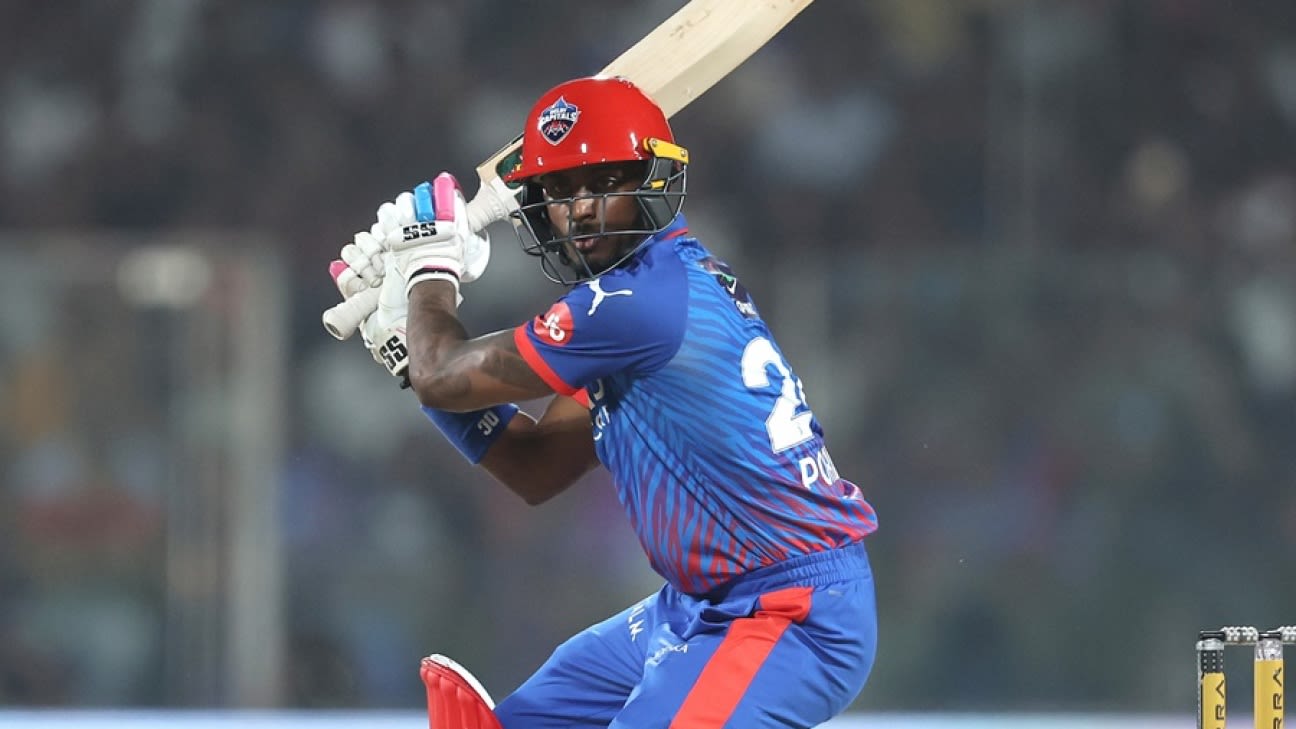
Devdutt Padikkal walked into India's nets session on match day minus two with a purpose. Sai Sudharsan's inability to get fit in time for the series opened up the crucial one-drop position for Padikkal, who spent time on Thursday batting in tandem with his captain Shubman Gill. In his preparation for a first Test appearance in the subcontinent, Padikkal did everything he could.He swept well against off-spinner Saransh Jain in the nets, used his big reach well to get to the ball, and a week ago, took the chance in Colombo with an innings full of punchy drives against Sri Lanka Cricket XI on the same day that Sai Sudharsan was officially ruled out. By the time Padikkal was done with his 164-ball 142 on Day 2, the news of his circumstantial promotion from understudy to incumbent would've reached him."Sai's case was quite unfortunate," Shubman Gill said on the eve of the match. "It looked like he would be able to be a part of the series. But we did constant scans and he wasn't improving as much as we expected him to. So, sometimes you have to take a call from the player's point of view as to whether you want to take that risk."India rightly didn't take risks, even if it meant another rookie batter at this level had to be thrown in at the deep end. Padikkal might already be ready for it, even if the numbers don't quite add up yet. But this latest reshuffle is another reminder of India's growing pains at No. 3 amid a period of wild transition.There's a caveat to the tables above. India have had to play musical chairs with the No.3 position since the World Test Championship final of 2023 because the selectors moved on from Cheteshwar Pujara, and injuries and retirements of Rohit Sharma and Virat Kohli followed. It isn't Gill's fault that the gametime for No.3 batters are scattered so much. It's the state in which he inherited the squad last year in England. But how he and Gambhir have operated since has added to the intriguing approach.Sai Sudharsan got the trust to feature in the tour opener, only to be dropped next game for tactical adjustments. Karun Nair got a two-Test run in the interim and then Sai Sudharsan reclaimed the position. Maybe in English conditions with a bigger need to improvise, such a call was justified. But the collateral for such maneuverswas that neither Sai Sudharsan nor Nair could truly own the spot.Sai Sudharsan's potential earned him the trust post the tour, but even at home the idea of a long rope remains a myth. He featured against West Indies in October but Washington Sundar took his spot so India could add an additional all-rounder to the team against South Africa in Kolkata just a month later. It was a move of convenience, but had to beshelved a game later because of Gill's injury.Maybe the ways of modern cricket gives India an excuse to be flexible with a position that has traditionally been a team's batting fulcrum.Three of the top-10 run-getters in Test history played the majority of their careers at No. 3, while that number rises to five if the list is extended to the top-20. India themselves have benefited from a long-term No. 3 in Rahul Dravid, who scored more than 10,000 runs from there. In Cheteshwar Pujara, they had a worthy successor, who occupied the pressure position for 155 innings across 13 years and returned 6529 runs. But who follows in the same vein in the current circumstances?The next Dravid or Pujara isn't going to be found walking the streets with a signboard around his neck. It will come from carefully cultivating a player for the position by backing him through a form graph of dramatic troughs and crests.India don't seem to be operating in that space at the moment.The rest of their top-four with KL Rahul, Yashasvi Jaiswal and Shubman Gill is set in stone, perhaps, emboldening them to tinker with the one remaining vacancy. But this could also serve as the very reason to allow a batter to grow from ground up at No.3 while the rest of the top-four shoulder the majority of the batting burden.If the decision makers remain aggressive with this perform-or-perish approach to No. 3, they and the batters vying for the spot could find themselves stuck in an unending loop of opportunities versus returns. And Indian cricket suffers for it.For the next fortnight, Padikkal can settle into his batting position in Sri Lanka, but what happens next remains typically shrouded in mystery. What happens when Sai Sudharsan is fit for the two Tests against New Zealand in November? What about when Australia arrive for the BGT early next year? Nothing that India have done so far points towards a definite answer to any of these questions. Gill can afford to kick this can down the road for now, but eventually, the decision India make with all their cards on the table will reveal their stance on the position and determine what kind of No. 3 can emerge from this churn.


Most Popular

Chwalińska loses Beijing WTA 1000 doubles match
19 hours ago