World Cup 2026: England reached rare heights at the Azteca. Now comes Erling Haaland's Norway

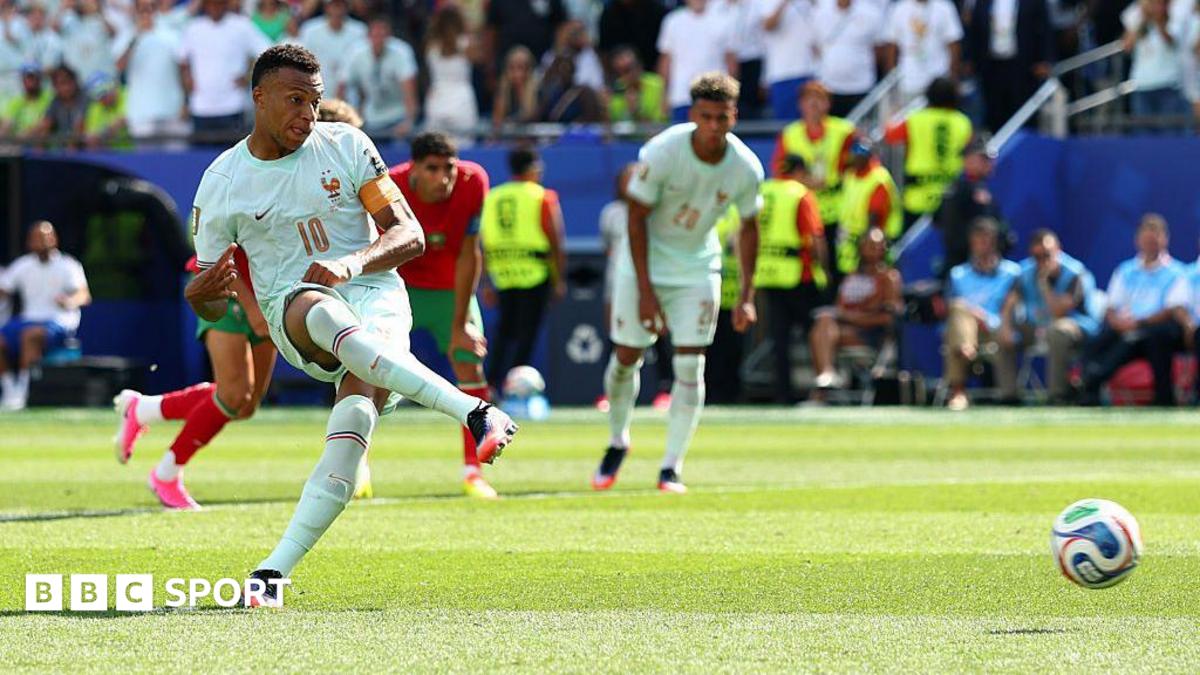
On Sunday night inside Mexico City's famous Estadio Azteca, England recorded its best ever win on foreign soil at a major tournament, setting up a mouthwatering quarterfinal clash with Erling Haaland's Norway on Saturday.A few days later, the conclusion remains the same. Since lifting the World Cup on home soil in 1966, England has won just 10 knockout matches at the tournament. Yet few, if any, have carried the weight of this one.AdvertisementBut now comes the important bit: If England wants to reach its highest peak once again, the win over Mexico must become a building block for more at this tournament, rather than a nostalgic footnote on yet another tournament disappointment.Next up is a Norway side led by two familiar foes for an England squad laden with Premier League experience. Manchester City's Erling Haaland and Arsenal's Martin Ødegaard are the beating heart of a Norwegian national side that has reached the quarterfinals of the tournament for the first time.Norway's 2-1 last 16 victory over a confused and underwhelming Brazil side should act as a strong enough warning of this generation's ability on the grand stage.Haaland has been virtually unstoppable at the international level, scoring 62 goals in 54 senior appearances for Norway — an extraordinary average of one goal every 71 minutes.AdvertisementEven more remarkable is that only six of those strikes have come from the penalty spot, highlighting just how frequently he finds the net from open play. The 25-year-old striker has also scored in each of his last 14 competitive appearances for Norway, producing 27 goals during that run as he continues to rewrite the country's scoring records.That is why England's performance in Mexico matters. Against Norway, Thomas Tuchel's side may again need more than talent. It may need adaptability, composure and the kind of in-game management that carried it through the chaos of the Azteca."We still can do better," Tuchel said after England's win in Mexico. "But in terms of what is lovable about the team as a fan is the heart that they bring and the sense of belief — it's one of a kind."AdvertisementIt was in the victory at the Azteca where England showed that heart as the Mexicans put up quite the fight.A first-half brace from Jude Bellingham and a coolly converted 60th-minute penalty from Harry Kane gave Tuchel's side the platform it needed to withstand more than 100 minutes of relentless pressure in one of soccer's most intimidating stadiums.The contest had everything: a delayed kick-off, five goals, two penalties and England's fourth red card in World Cup history, all played out amid the deafening roar of a partisan crowd on home soil desperate to drive Mexico into the last eight.For Mexico, the wait for a World Cup quarter-final appearance stretches into a fifth decade, their last coming in 1986. England, meanwhile, continues its pursuit of ending 60 years of hurt — and after a performance of this quality, resilience and maturity, there is a growing sense they are better equipped than ever to do just that.AdvertisementEngland's previous manager, Sir Gareth Southgate, achieved extraordinary things in the England hot seat over eight years of sharp improvement. Where he built belief and consistency, Tuchel has brought a different edge. Tuchel has the priceless ability to react decisively when knockout football becomes chaotic.This was an elite coach responding to events in real time and demonstrating his tactical authority under extreme pressure. It was Tuchel at his strategic best.Jarell Quansah's 52nd-minute red card — following a VAR review for a foul on Jesús Gallardo — should have prompted panic in English ranks. As supporters, we've suffered enough and seen that story play out too many times not to jump to conclusions.AdvertisementBefore Sunday, England had never won a World Cup knockout match with just 10 men on the pitch. Dismissals to Ray Wilkins (1986), David Beckham (1998) and Wayne Rooney (2006) all ended in disappointment and ranging levels of trauma, but without realizing it at the time, they set a benchmark for future England teams to clear.Tuchel's reaction was immediate. Switching Ezri Konsa to right-back and introducing the experienced head of John Stones to centre-back proved crucial. He would also initiate a back-five for the first time in the tournament, subbing on Djed Spence and Dan Burn, protecting the exhausted duo of Nico O'Reilly and Elliot Anderson.We saw exactly why Tuchel had selected his "special ops" players as the mayhem of knockout football unfolded.Every player had a specific assigned role, and — underlined by a Dan Burn defensive header that reached the halfway line and a flurry of world-class saves from goalkeeper Jordan Pickford — they all executed their roles with a disciplined defensive display for the ages.AdvertisementThere will be a renewed belief as England kicks off against Norway on Saturday. Trailing DR Congo for 68 minutes in their last 32 clash in Atlanta was a sobering experience, but the 180-degree shift in positive emotion since further emphasizes the volatility of tournament soccer. It's why England appointed "Tournament Thomas" to navigate these perilous waters.England climbed 7,220 feet to record a historic win inside the Estadio Azteca.Its next climb begins against Norway.



Most Popular