
VAR use becoming too ‘microscopic’, warns Uefa’s director for refereeing
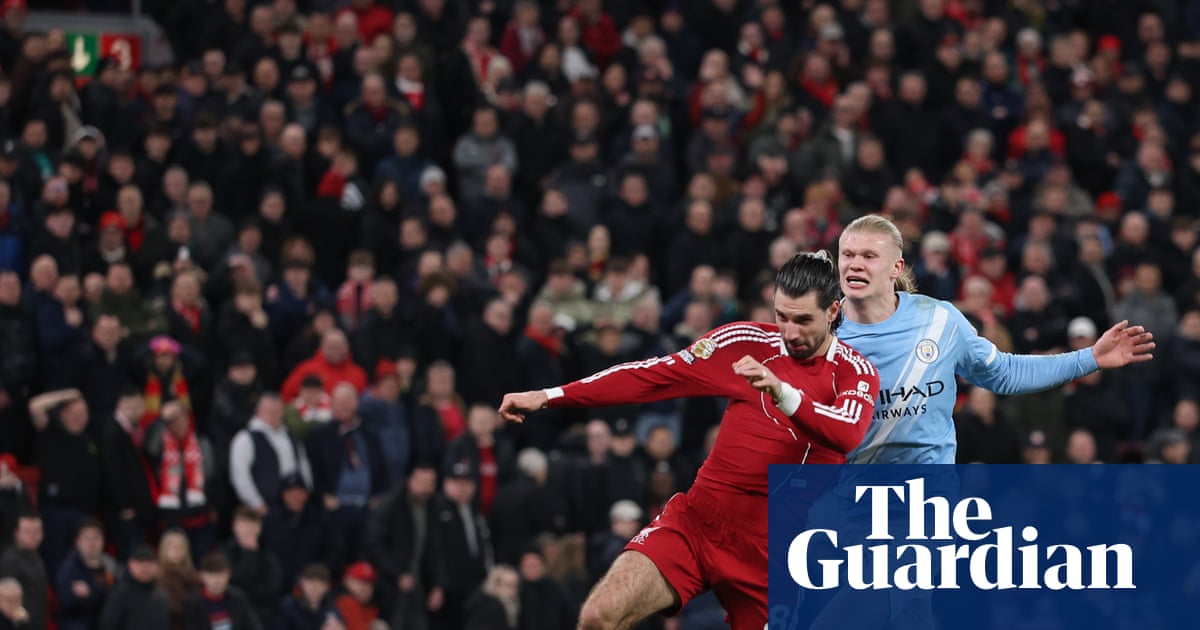
Roberto Rosetti, Uefa’s managing director for refereeing, has warned video assistant refereeing is becoming too “microscopic” and fears use of the technology has strayed from its intended purpose.VAR is rarely far from the headlines and has been the subject of further controversy in recent weeks after a series of high-profile incidents in the Premier League. Rosetti made clear that he was not commenting specifically on VAR’s deployment in England but suggested that, across the board, it is guilty of overreach. “We forgot a little bit, everywhere,” he said. “Eight years ago, I came to London and we discussed what VAR stands for. We spoke about clear mistakes, because technology works so well in factual decisions. In objective decisions, it is fantastic.“Subjective evaluation is more difficult. That’s why we started to speak about clear and obvious mistakes: clear evidence. I believe that we need to speak about this again in our meetings at the end of the season. We cannot go in this direction of microscopic VAR intervention. We love football like it is.”Rosetti criticised the overuse of slow-motion replays to diagnose offences that may be relatively harmless in real time. “We call this moviola,” he said, referring to a 1920s film-editing machine. “When you are watching the situation with the super-slow motion, you can find a lot of things”. The Premier League’s VAR intervention rate of 0.15 per match for on-field reviews – 0.27 including “factual reviews” that do not demand the referee’s interpretation – is the lowest in Europe but it is roundly accused of overly pedantic use. In the Champions League, the overall rate is 0.47.Speaking after Uefa’s annual congress in Brussels, Rosetti said media narratives had played a part in fuelling its overuse. “You said this, not me,” he said when asked whether VAR is going too far. “You are guilty in some way, because also you pushed for more interventions. ‘Where is VAR? Why doesn’t VAR intervene? Why is VAR not involved? What are the VARs doing?’ But now we need to be careful about that.”In January the International Football Association Board (Ifab), which makes the game’s laws, backed plans for VAR to intervene if necessary on the award of corners and wrongly given second yellow cards.



Most Popular

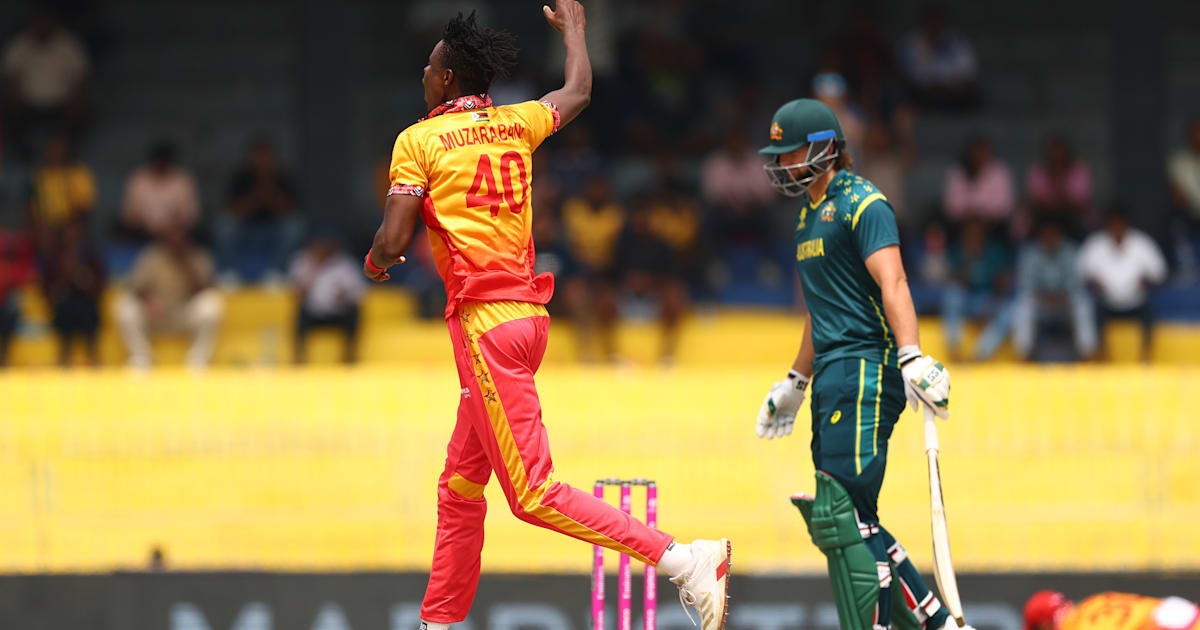
Australia stunned by Zimbabwe in Colombo
4 hours ago

Trump pardons 5 former NFL players
9 hours ago