
England vs Pakistan: Joe Root's captaincy style analysed
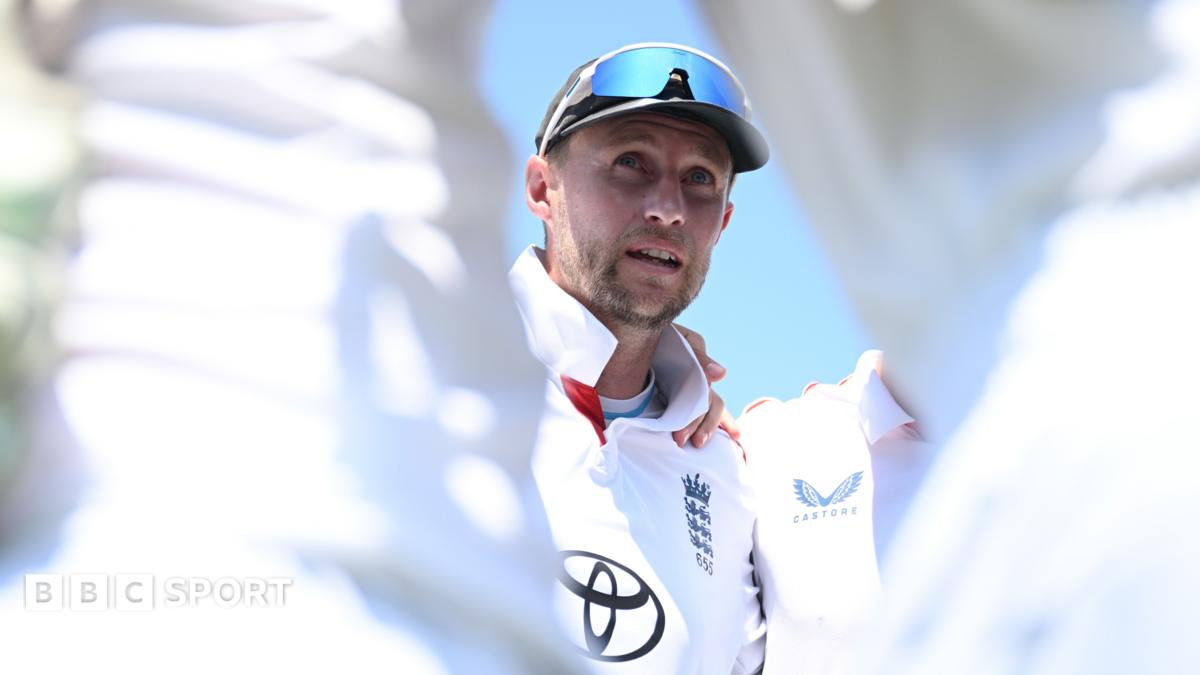
When England line up against Pakistan at Headingley this week they will once again be led by Joe Root.The Yorkshireman is captaining England for the 66th time in Test cricket - a national record, though still way short of the 109 matches in which Graeme Smith led South Africa.England's greatest batter has taken over from Ben Stokes, who resigned following the series against New Zealand earlier this summer.But what can we glean from Root's previous spell in charge, and what should we expect from his second permanent spell in arguably English cricket's most prestigious position?Root has won more matches as Test captain than anyone else in England's history, though some will point to his longevity.If we look solely at win percentage, of those who have captained England in more than 30 Tests, Root - who has the same number of wins to his name as losses - is sixth on the list behind Mike Brearley, Stokes, Michael Vaughan, Peter May and Andrew Strauss.That average is negatively affected by just one win in his last 17 Tests, though. In his first 47 Tests, Root actually had a better record than Stokes.If we look at matches against modern-day heavyweights Australia and India, Root plummets down the list even further - down in 10th, with twice as many losses as wins.Root has captained England to victory in 29% of his Tests in charge against Australia and India, behind the likes of Stokes (35%), Sir Alastair Cook (38%) and the best of all, Brearley (57%).Brearley, who captained England between 1977 and 1981, actually has the best captaincy record of anybody against Australia and India - just ahead of West Indies' legendary leader Sir Clive Lloyd, who won 22 of his 42 matches in charge.After a rollercoaster four years under Brendon McCullum and Ben Stokes, could England revert to a more conservative style of play under Root?Of all England's Test captains since 2006, only teams led by Andrew Flintoff and Kevin Pietersen have lower run-rates and played fewer attacking shots.In Root's 65 Tests in charge, England's run-rate has been 3.16, with the team playing an attacking shot 23% of the time. Under Stokes, England's run-rate was 4.40 and they played an attacking shot 42% of the time.But does that mean Root's teams are more likely to score bigger since their risk is lower?Quite the opposite in fact - the average number of runs scored for the loss of one wicket is 29 under Root and was 34 when Stokes was in charge. Under Strauss, when England rose to number one in the world rankings, England averaged 40 runs per wicket.England lose a wicket, on average, every 54.9 balls under Root. That is better than the 46.3 balls it took to dislodge somebody under Stokes but far behind the 69.5 balls Strauss' side soaked up.There are obvious caveats with the data - for example, Dom Sibley, with a strike-rate of 34.48 played 21 Tests under Root.Another quirk of the numbers is that Root actually had the best strike-rate of all batters during his time in charge - a strike-rate that swelled even higher under Stokes, showing how England's greatest batter can go up and down the gears.And might the lessons of the last four years influence Root's captaincy second time around?In his first interview after being named captain, Root said: "The last four years have been the most fun I've had in professional cricket and a big part of that was down to the way they [McCullum and Stokes] got me to see the game."I've taken a lot from that and I feel it will be a big part of how I want to approach things moving forward as a leader of this team."The thing that stands out the most for me is the shift in mindset that was created around how we want to play the game - trying to strip the fear away from things, make sure guys feel that they can really just allow their talent to come out as frequently as possible and in big moments in games."And, as others have pointed out, Root should not have to worry about a focus on the one-day team and leading a team during a global pandemic this time around.



Most Popular


/https%3A%2F%2Fsportsmole-media-prod.s3.gra.io.cloud.ovh.net%2Fuploads%2F2026%2F01%2Fnathan-jones-charlton-athletic-focus-images-696c2df388594111697002.jpg)
Preview: Charlton Athletic vs Bristol City
19 hours ago