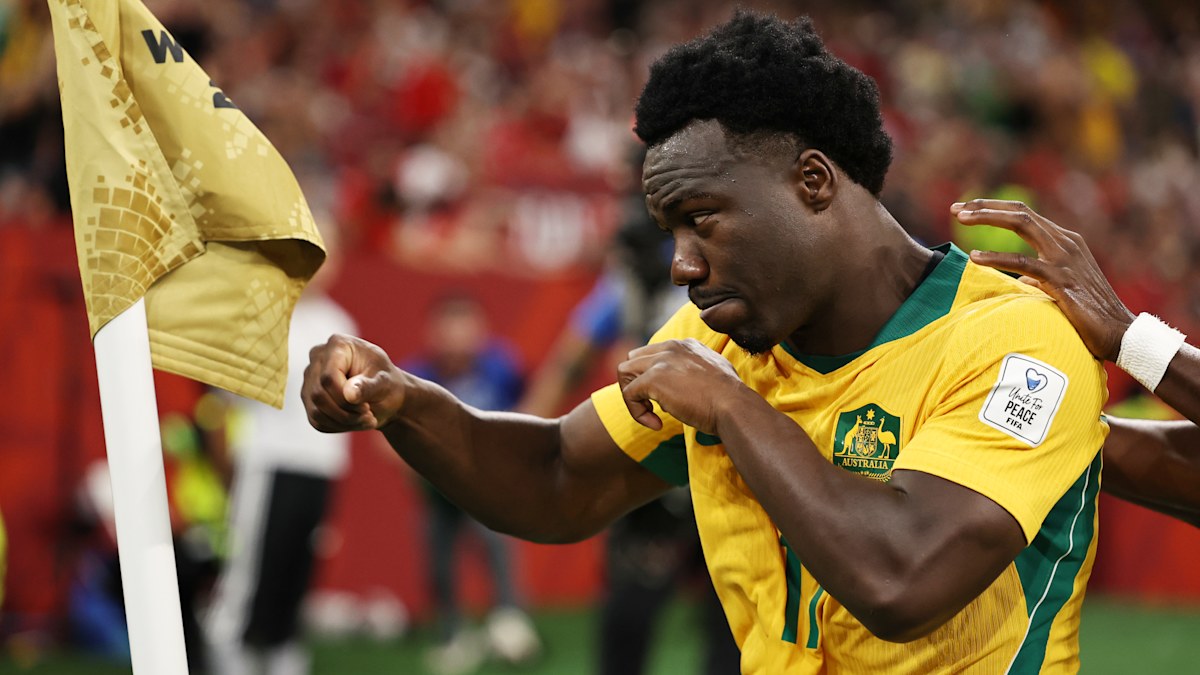
Omar Marmoush Was the Victim.. Leandro Paredes Reopens Egypt's World Cup Wound with a Historic Moment!

Argentina lost the final to Spain, beaten by a Ferran Torres goal, yet their stars flew home with their heads held high. They had carried their status as "defending champions" all the way to the last match of the tournament.Leandro Paredes got a special welcome from his family, who chose to honour him in remarkable fashion. They dedicated a painting to him capturing his standout moments of the tournament, revealed in photographs his wife Camila Galante posted on her personal "Instagram" account.That painting depicted the moment Omar Marmoush was denied the chance to write a new chapter in Egypt's history in the round of 16. The score stood at 2-2 in the dying seconds of stoppage time when Marmoush broke away on a swift counter-attack that almost sent Egypt into the quarter-finals.Paredes was the last defender on the pitch. He got there, intercepting the ball with a perfect tackle. Some called it a "dramatic turning point", one that flipped a certain Egyptian goal into a decisive Argentine counter-attack, ending with Enzo Fernández driving home the killer winner that sent Argentina through to the quarter-finals at Egypt's expense.Paredes' tackle did not go unnoticed by global analysts and critics. "The Athletic" described that moment as defensive genius, calling it the most iconic defensive act of the entire tournament.The newspaper explained that Paredes faced a suicidal confrontation against three Egyptian attackers: Mohamed Salah, Omar Marmoush and Mahmoud Hassan "Trezeguet". Yet with cool nerves and a precise reading of the pitch, he anticipated the Manchester City star's pass towards "Trezeguet" and intercepted it at the absolutely perfect moment.Those precise technical details are exactly what fill Paredes with enormous pride. Many in Argentina see the interception as the "defensive miracle" that kept their title defence alive for a few more days, right up until the clash with Spain.Hanging in his home now, the painting the player owns immortalises the encounter that denied Egypt a footballing miracle they came agonisingly close to: qualifying for the quarter-final for the first time in their history at the expense of the "title holder".Away from his defensive brilliance, a charged atmosphere overshadowed the end of Paredes's World Cup journey. The altercations after the final defeat to Spain saw him drawn into a verbal and physical clash with young Spaniard Gavi.Scathing criticism followed from some big names, foremost among them Zlatan Ibrahimovic, who branded his conduct "unprofessional". Paredes refused to apologise. He expressed immense pride in everything he had done with the Albiceleste at the tournament.After the final, Paredes took to his official accounts to send emotional messages to the fans, insisting he was proud to be part of "the greatest generation in Argentina's history".Reports initially suggested he had picked up a red card for the post-match events. FIFA later wiped the card from his official record, with investigations continuing into the incidents that stirred widespread uproar across global sporting circles.Egyptians look at that painting and see a sad reminder of an opportunity that could have changed the face of African football. Paredes sees proof of his sacrifice and tactical commitment as a leader in midfield. Hanging in the Argentine star's home, it will remain a permanent reminder that the small details make heroes on the biggest stages.Every winner leaves a loser on the other side. That loser is Omar Marmoush, who lost much of the love and support of the Egyptian public once the tournament ended. All 120 million Egyptians agreed on the verdict: he was a "ghost" at the World Cup, and Egypt failed to benefit from the outstanding technical abilities that made him one of the most important professionals in the country's history.One decisive pass, one break through the Argentina defence, one dramatic winner, and Marmoush would have become a superhero in Egyptian eyes and walked into history through its widest gates.


Most Popular