Why Algeria vs. Austria Is the Strangest Match of the 2026 FIFA World Cup
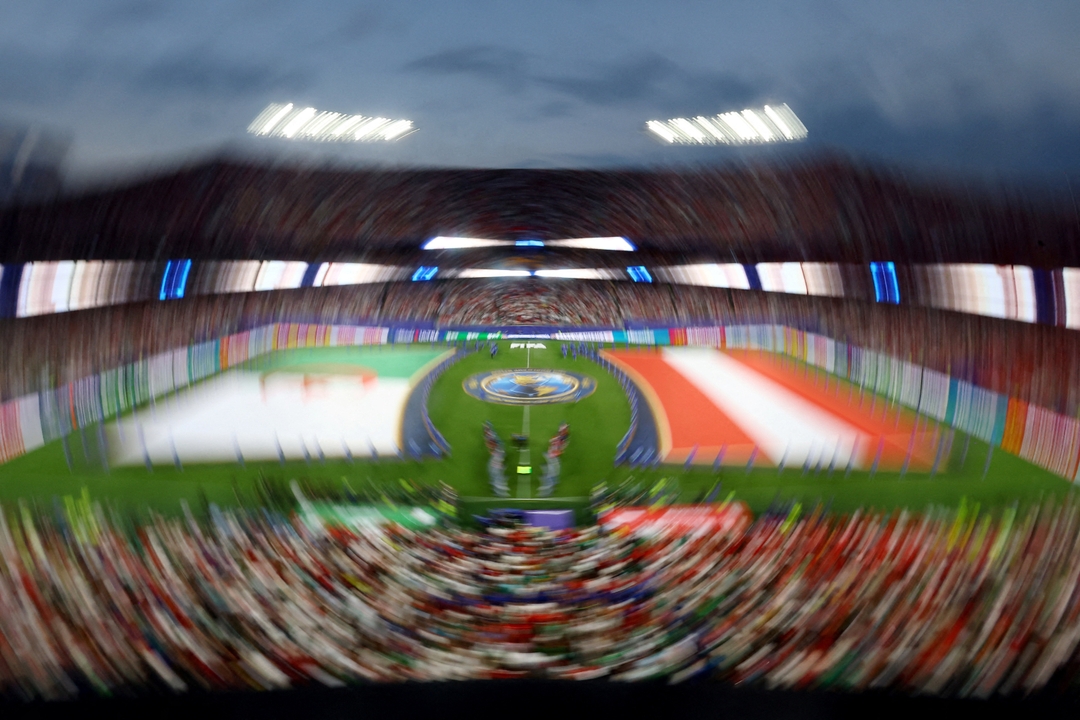
The 2026 FIFA World Cup has produced one of the most unusual scenarios in the tournament's history. The clash between Algeria and Austria, the final match of Group J, comes with circumstances that defy competitive logic: for both teams, winning could actually be the worst possible outcome.The explanation lies in how the knockout bracket has taken shape. Depending on the result, finishing first or second in the group leads to dramatically different paths through the tournament.For Austria, a victory or even a draw would likely set up a Round of 32 meeting with one of the title favorites, Spain, the winner of Group H. However, if Austria loses to Algeria, it would avoid that matchup and instead face Switzerland.. Paradoxically, defeat could become the most favorable result for Ralf Rangnick's side.The situation is just as unusual for Algeria. Depending on goal difference and the outcome of the other group match, a loss—or even a draw—could prove more beneficial than a victory by altering its position in the standings and, consequently, its Round of 32 opponent. In other words, neither team appears to have a strong incentive to chase all three points from the opening whistle.The scenario inevitably brings back memories of one of the most controversial moments in FIFA World Cup history: the infamous Disgrace of Gijón at the 1982 FIFA World Cup.Ironically, the same two nations were directly involved. On that occasion, West Germany defeated Austria 1-0 thanks to an early goal from Horst Hrubesch, a result that sent both European teams into the next round while eliminating Algeria. After the opening goal, both sides virtually stopped attacking for more than an hour, prompting outrage from fans inside El Molinón and millions of viewers around the world.The controversy was so significant that FIFA permanently changed the tournament format. Beginning with the 1986 FIFA World Cup in Mexico, the final group-stage matches have been played simultaneously to eliminate the possibility of teams manipulating results based on earlier kickoffs.Unlike what happened in 1982, both matches in Group J will be played at the same time, greatly reducing the possibility of any tacit understanding between teams. Nevertheless, the structure of the knockout bracket has created a highly unusual sporting incentive: losing may be more valuable than winning.That is why a match that would normally attract little attention has suddenly become one of the most fascinating contests of the group stage. The showdown between Algeria and Austria will be watched closely, not only because of the final score, but because of how both teams approach a match in which football's competitive logic appears to have been turned completely upside down.


Most Popular