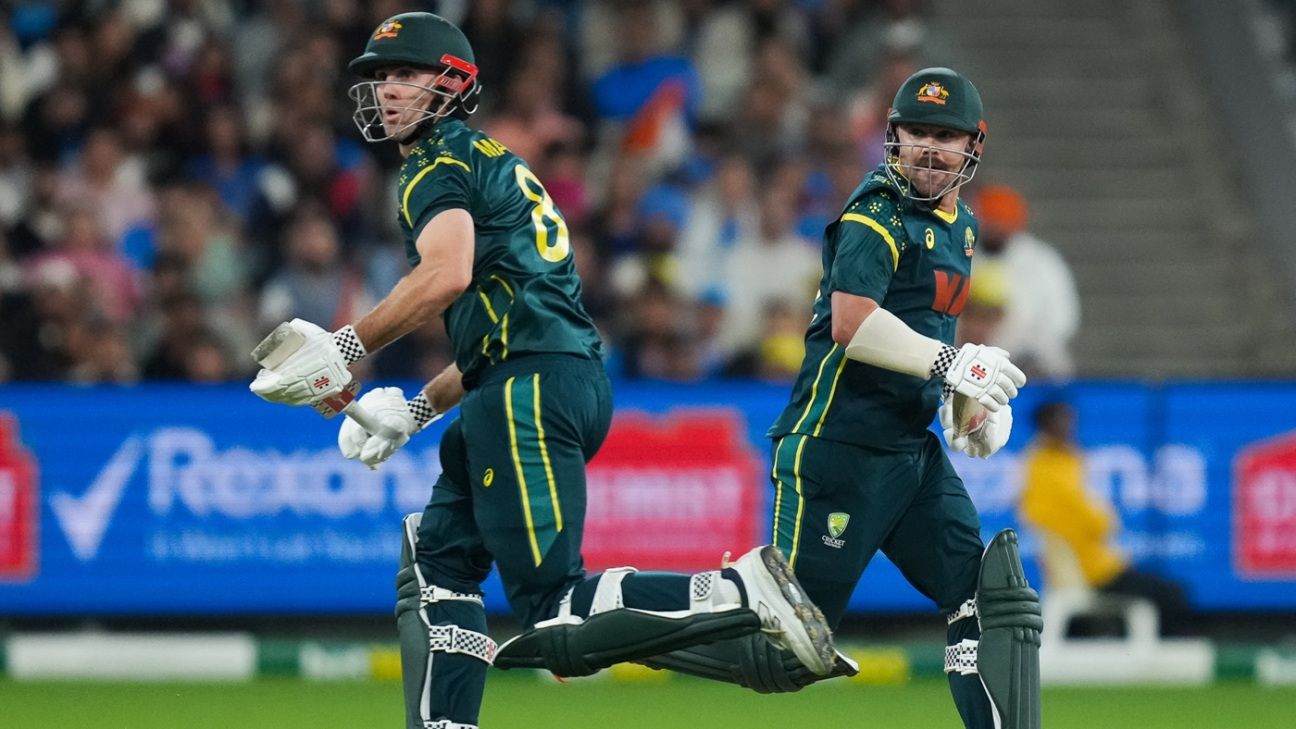
India's T20 World Cup defence begins in a week but here are 3 questions defending champions still can't answer

India beat New Zealand 4-1, piled up 238, chased down 209, hunted down 154 in 10 overs, then got skittled for 165, and finished with 271. That is a series that screams “champions”, but also whispers “not quite settled.”With the T20 World Cup starting in a week, the bigger story isn’t what India did right. It is what this series didn’t force them to decide, because knockout cricket won’t wait for another experiment.Sanju Samson’s returns didn’t justify the “Gill out, Samson in” logic. And the moment Ishan Kishan produced a match-winning run at top speed - including that brutal, time-warp century in that last match, the hierarchy shifted in public view. India can’t carry two wicketkeeper-batters if only one is starting, and they can’t keep flipping roles without inviting uncertainty.The World Cup question is simple and harsh: are you picking your XI based on role clarity, or based on the last innings you watched?The series showed Arshdeep Singh as a strike option and Bumrah as inevitability. But it also exposed a wider issue: India’s overs are still being managed, not owned. Who is the third seamer you trust when the pitch is flat and the boundary is short? How many overs are you planning to give Hardik/Dube, and how many are you hoping you won’t need to?And with a spin-heavy squad, the real tactical gap is middle overs on batting-friendly surfaces: do India have enough wicket-taking threat to stop opponents from batting like it is a 12 overs a side game? If they don’t, 200 becomes par, and par matches are lottery matches.The uncomfortable truth: India’s best version is built on momentum. When the top three control the tempo, they look like defending champions. When the top order stutters, India’s innings can start playing catch-up - and then the middle order is forced to hit into fields rather than building through them.So the unanswered World Cup question is this: What is the settled rescue plan?Is Tilak your crisis-control at No.3/No.4? Is Rinku Singh your fixed finisher or a floating matchup hitter? Is Dube an impact enforcer or a luxury that disappears when you need a bowler? India have options - but the roles still feel adjustable, not automatic.Champions don’t just have talent. They have decisions that survive one bad start. India’s series win proved they can overwhelm teams. The World Cup will ask a colder question: can they stay coherent when the game doesn’t cooperate?


Most Popular